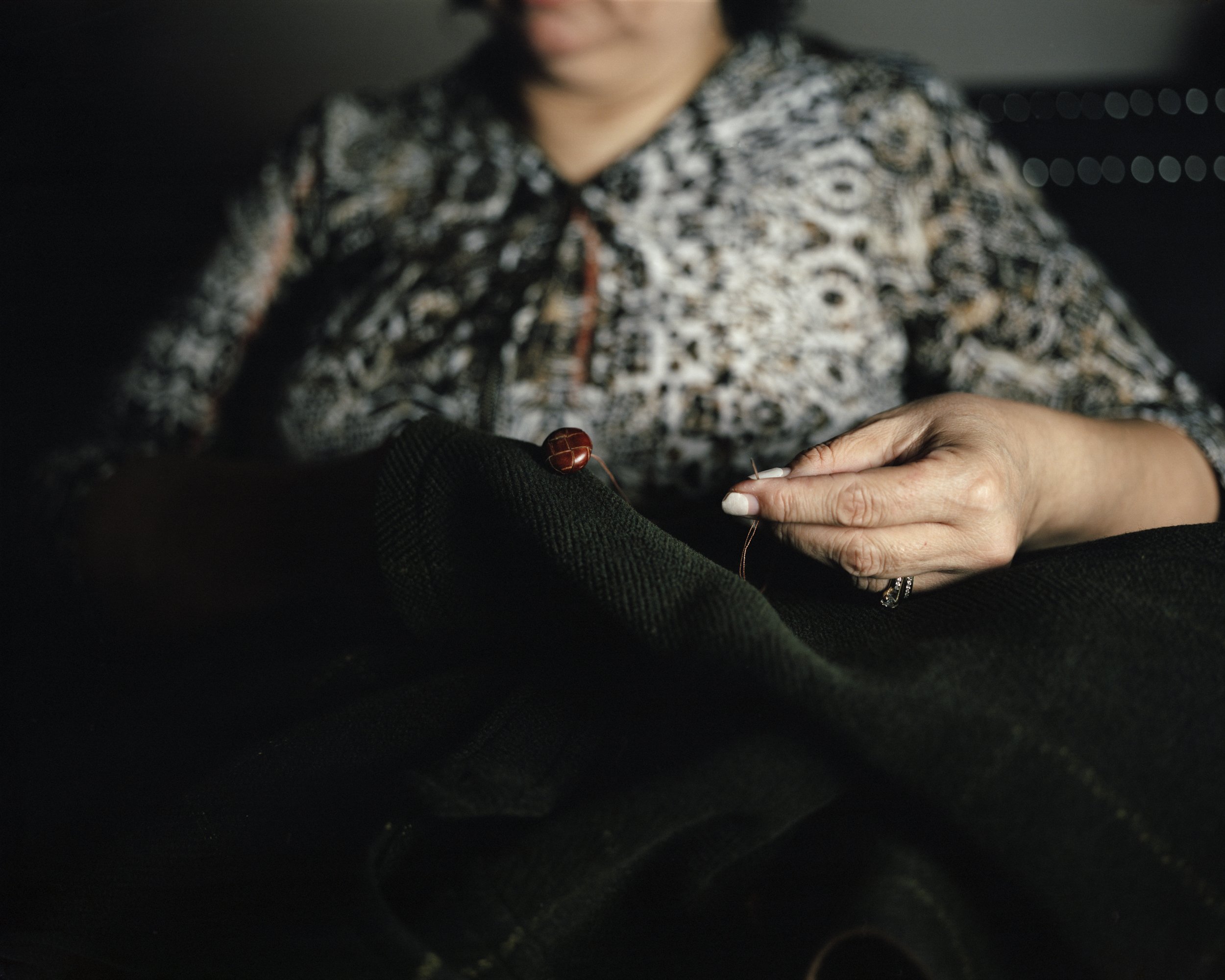
1. stitching
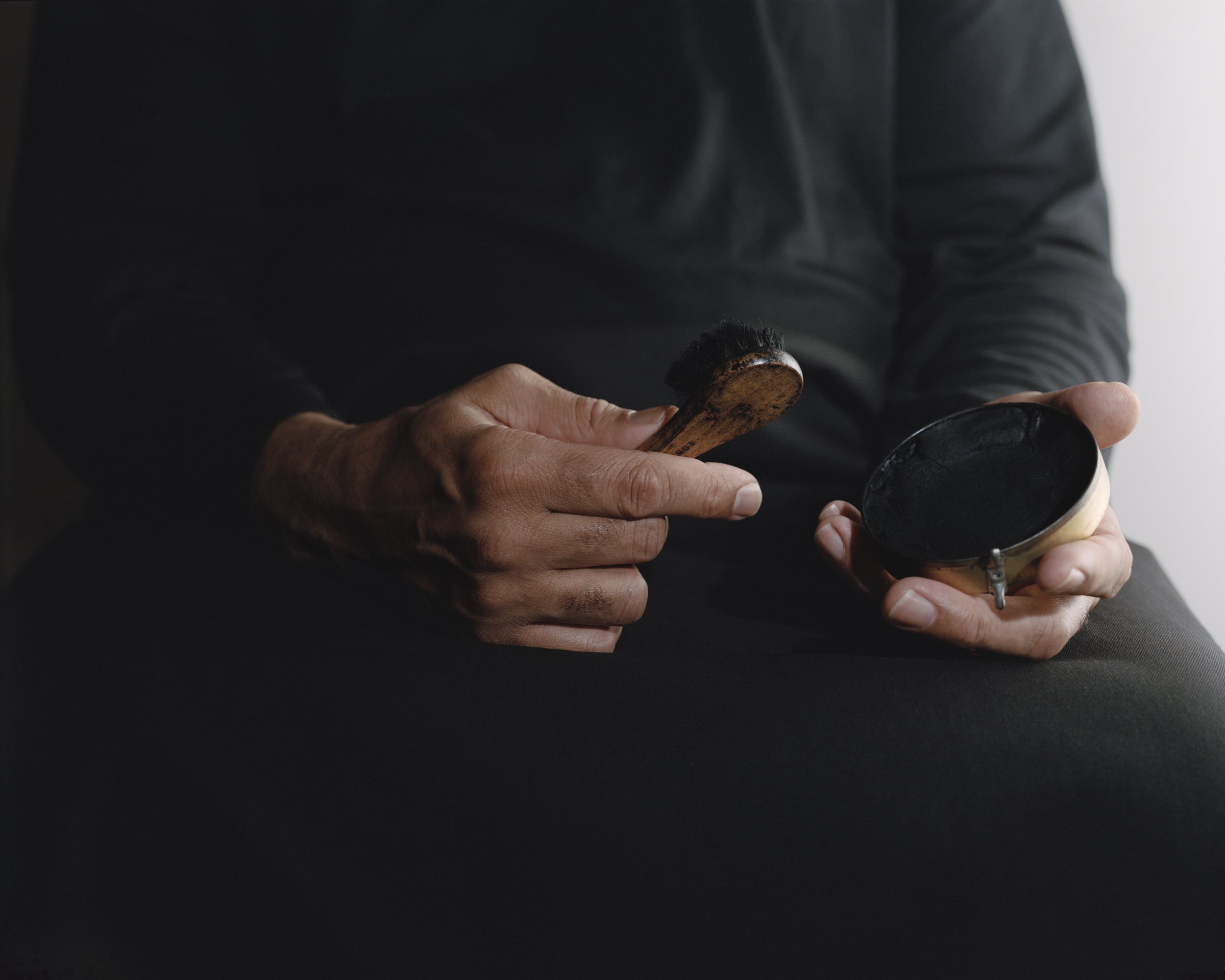
2. shoe polish
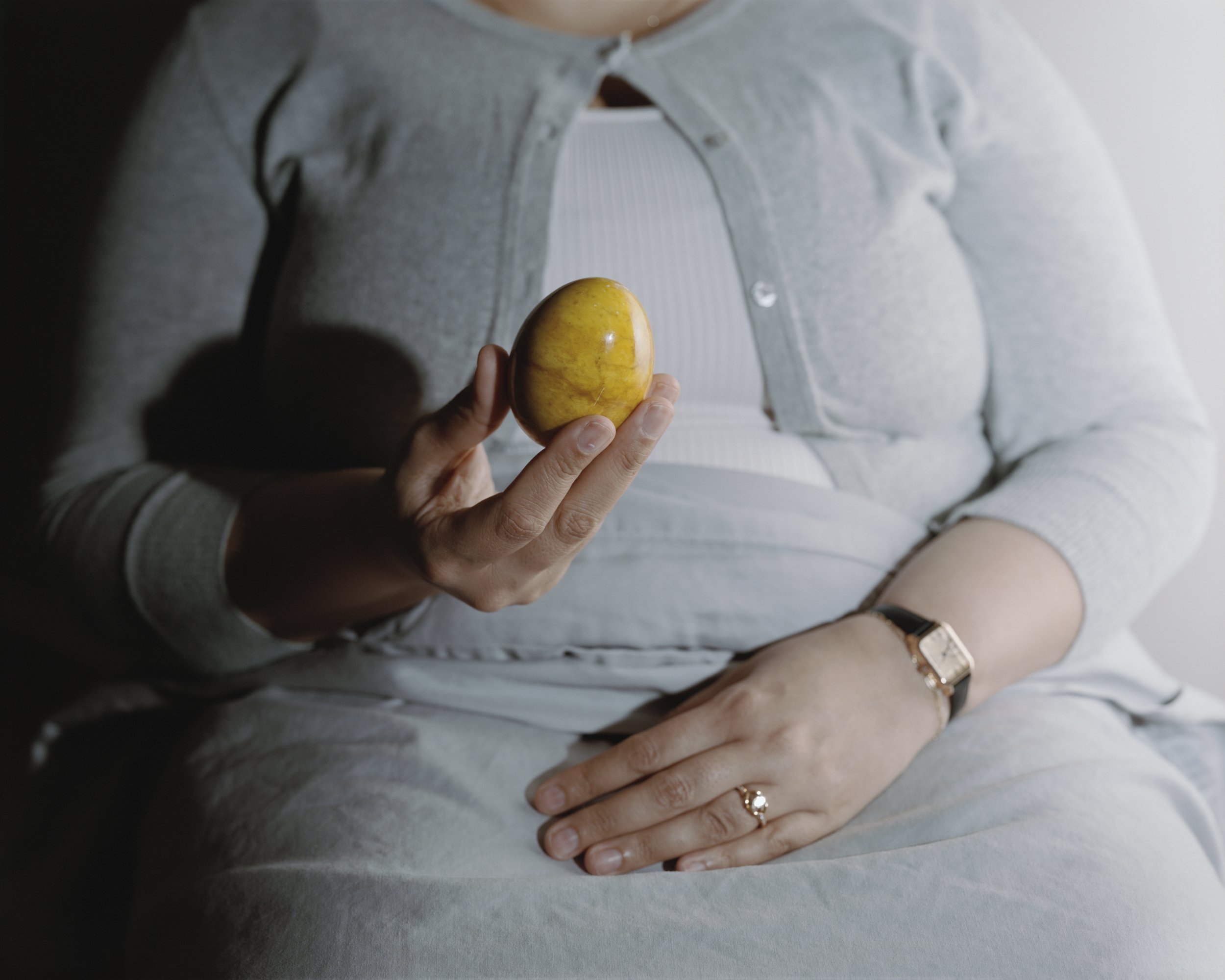
3. stone egg
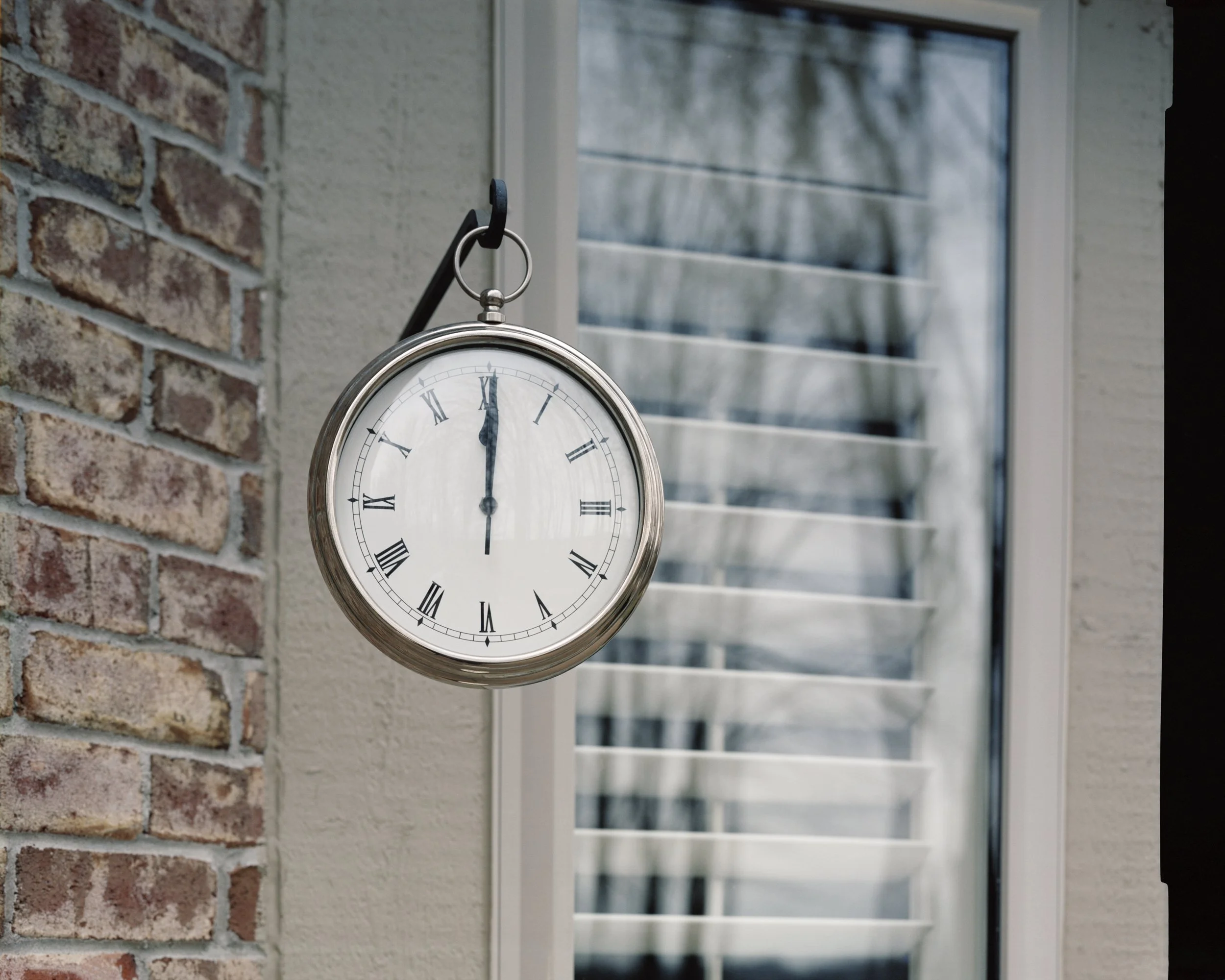
4. stopped clock

5. silver trumpet
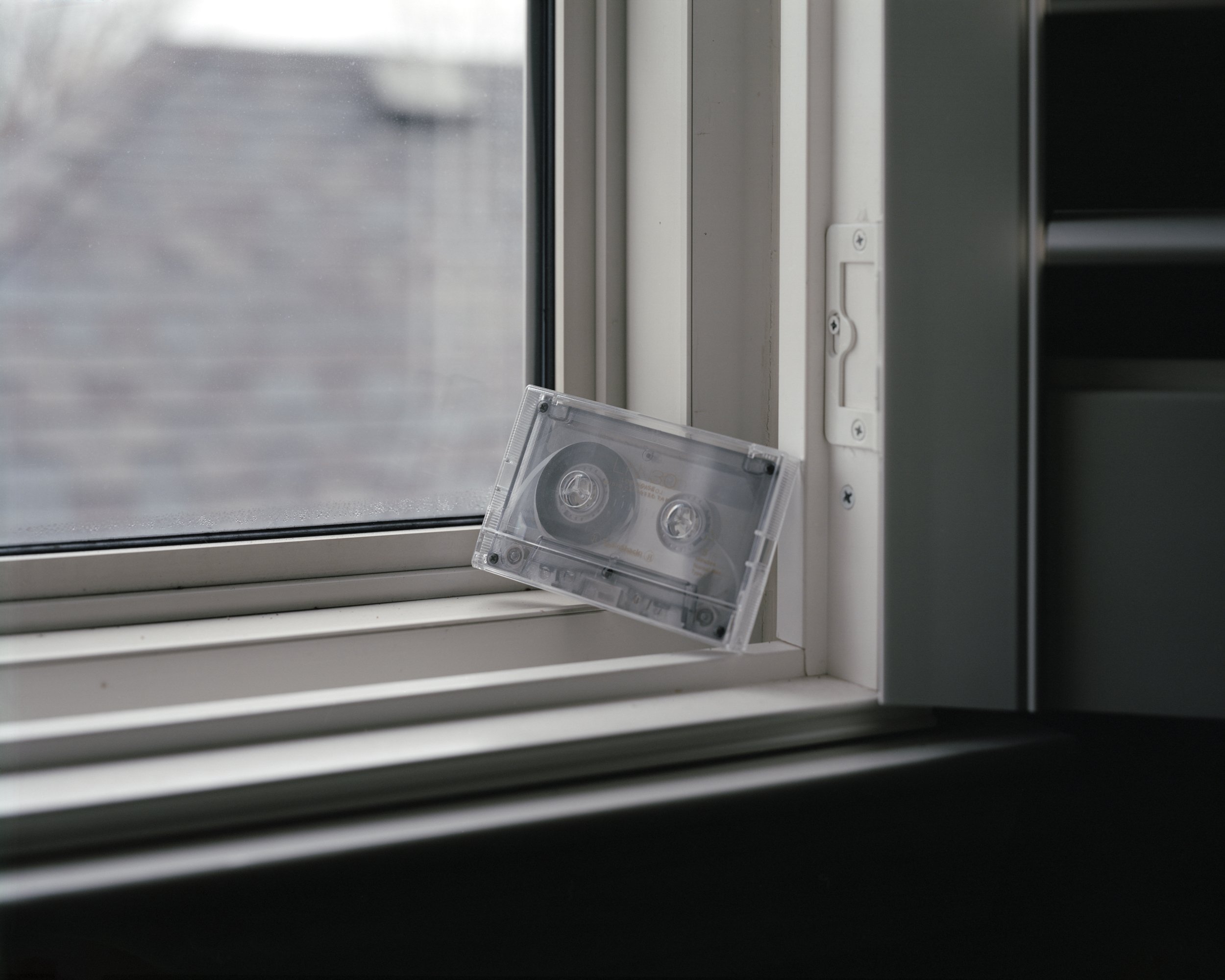
6. First Talk: February 1st, 2006
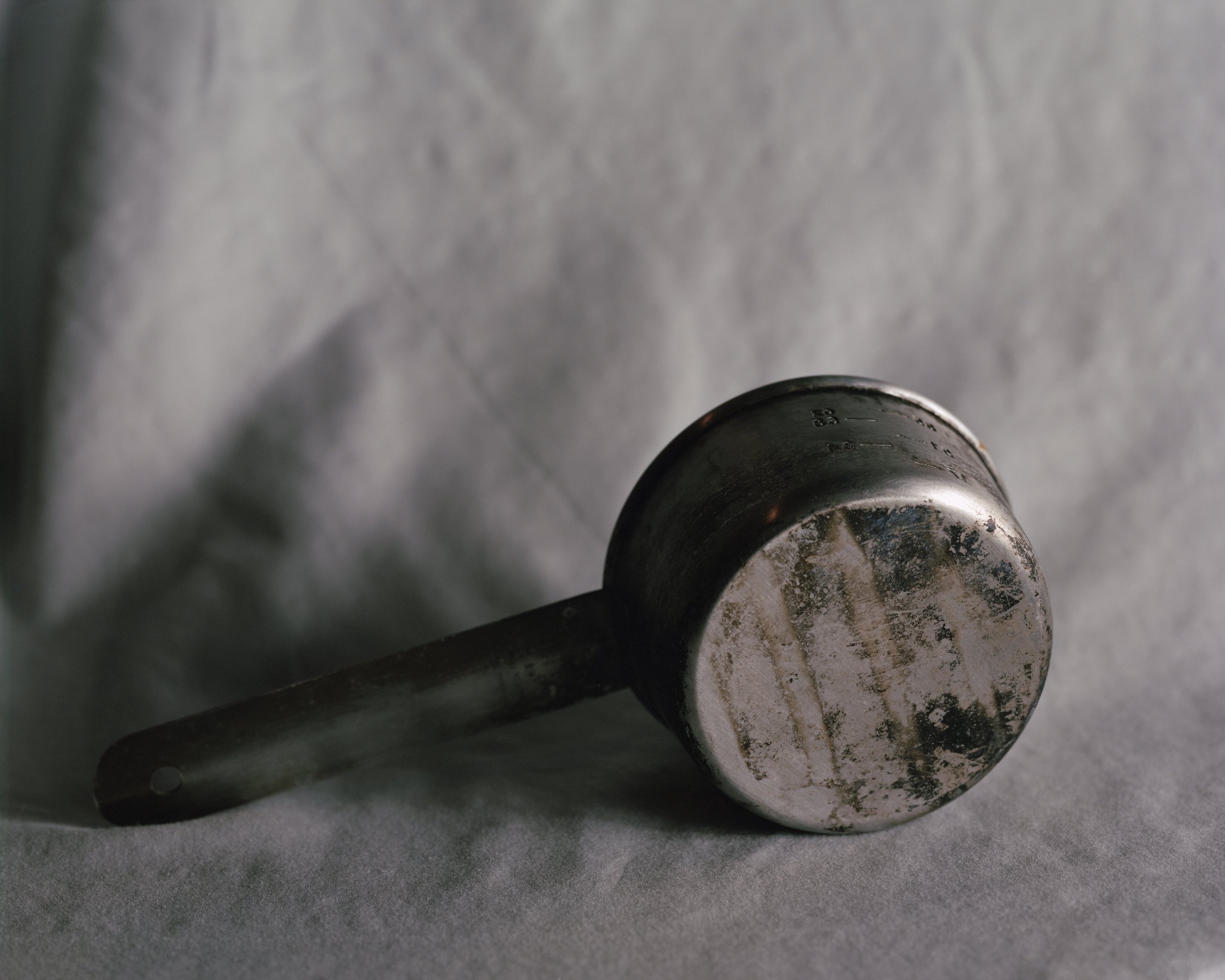
7. measuring cup
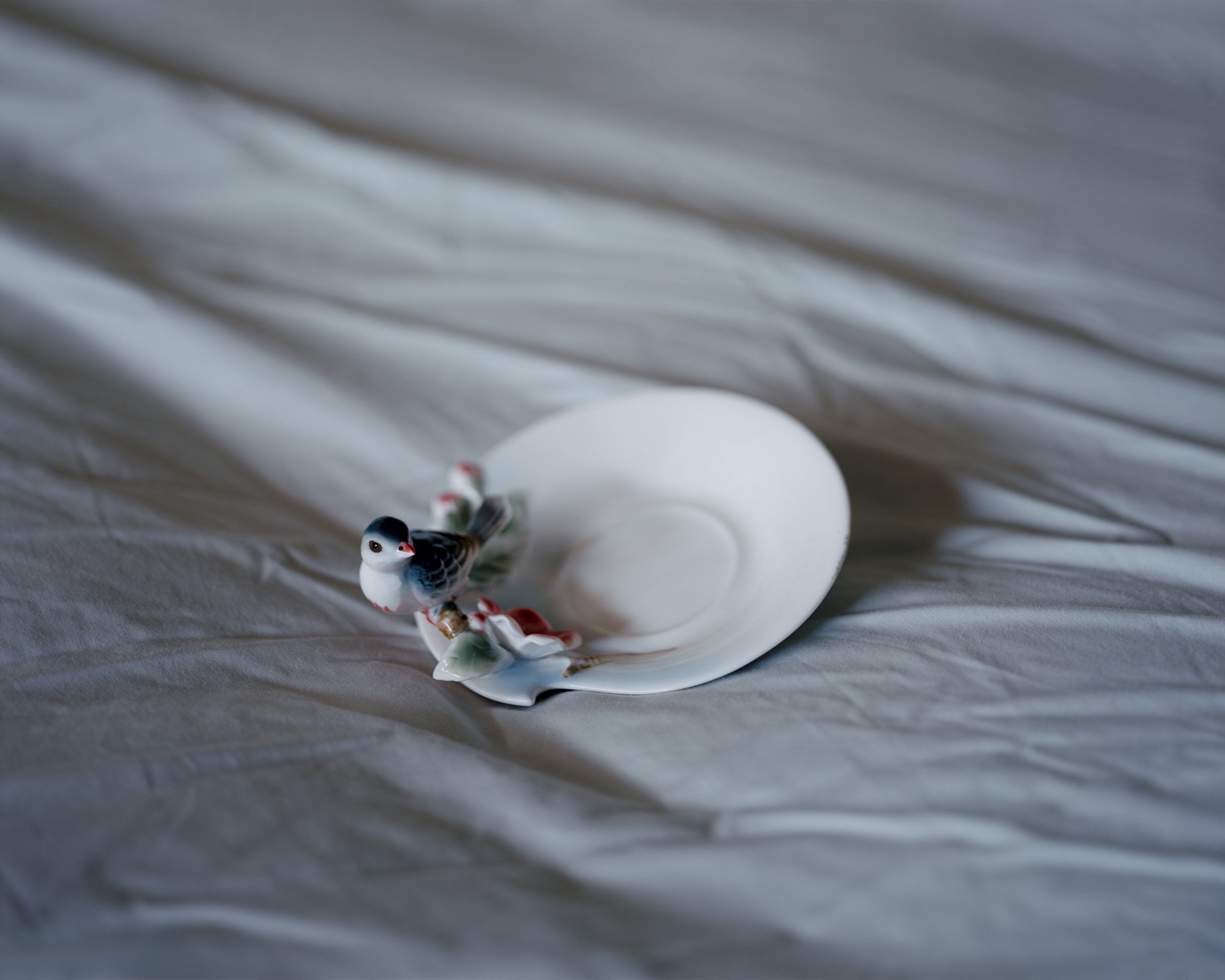
8. bluebird, gift from Z.Z.
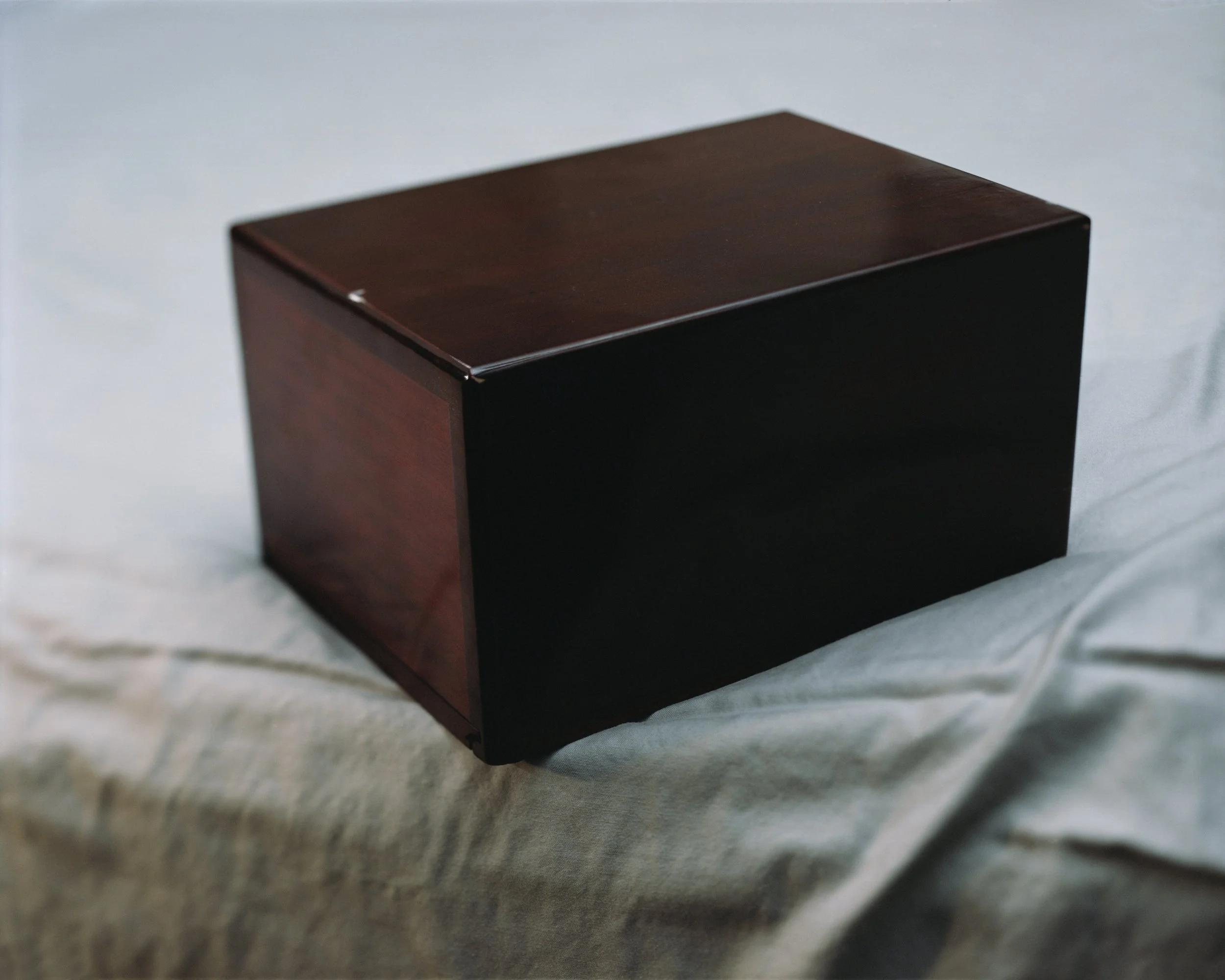
9.
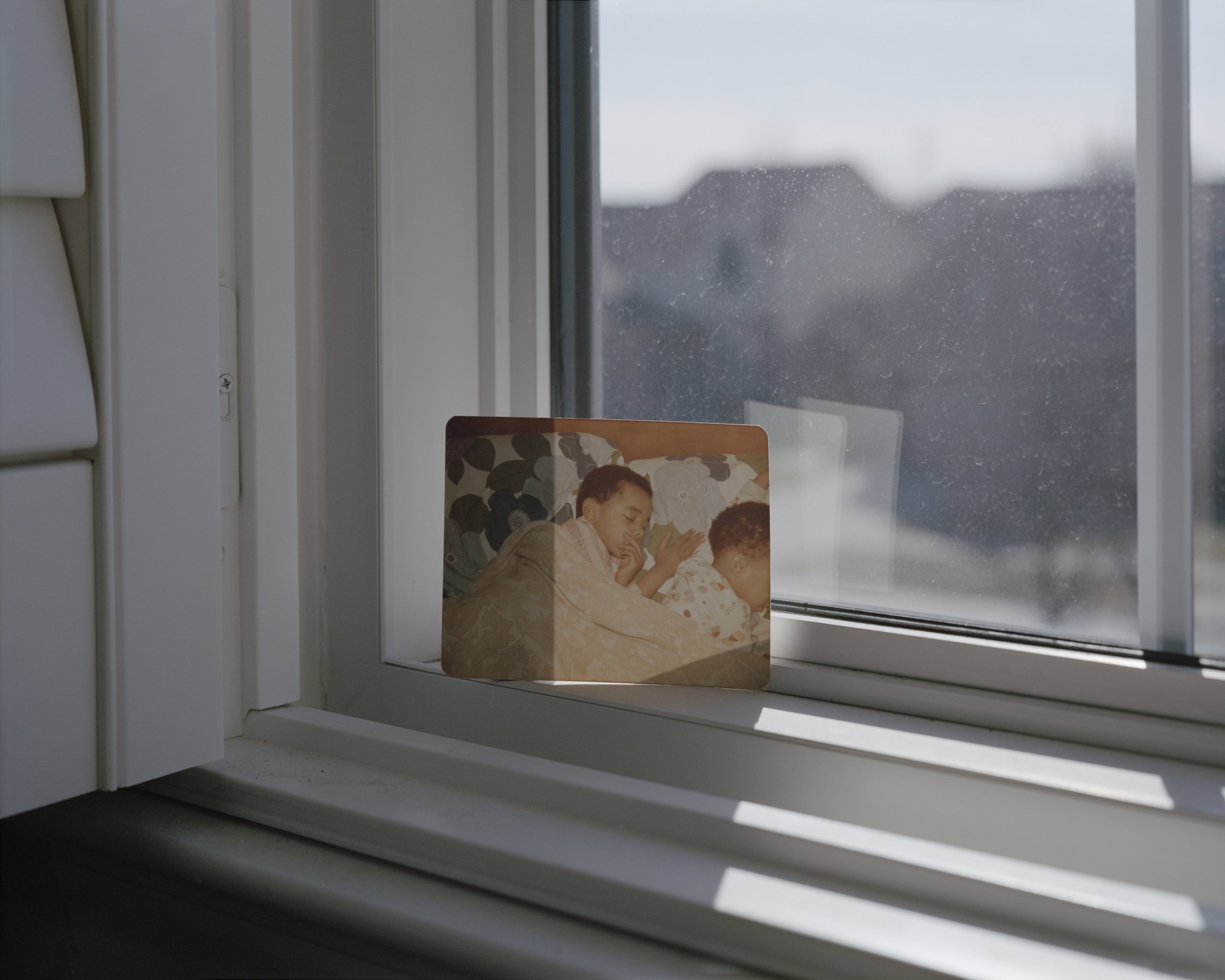
10. dreaming divine
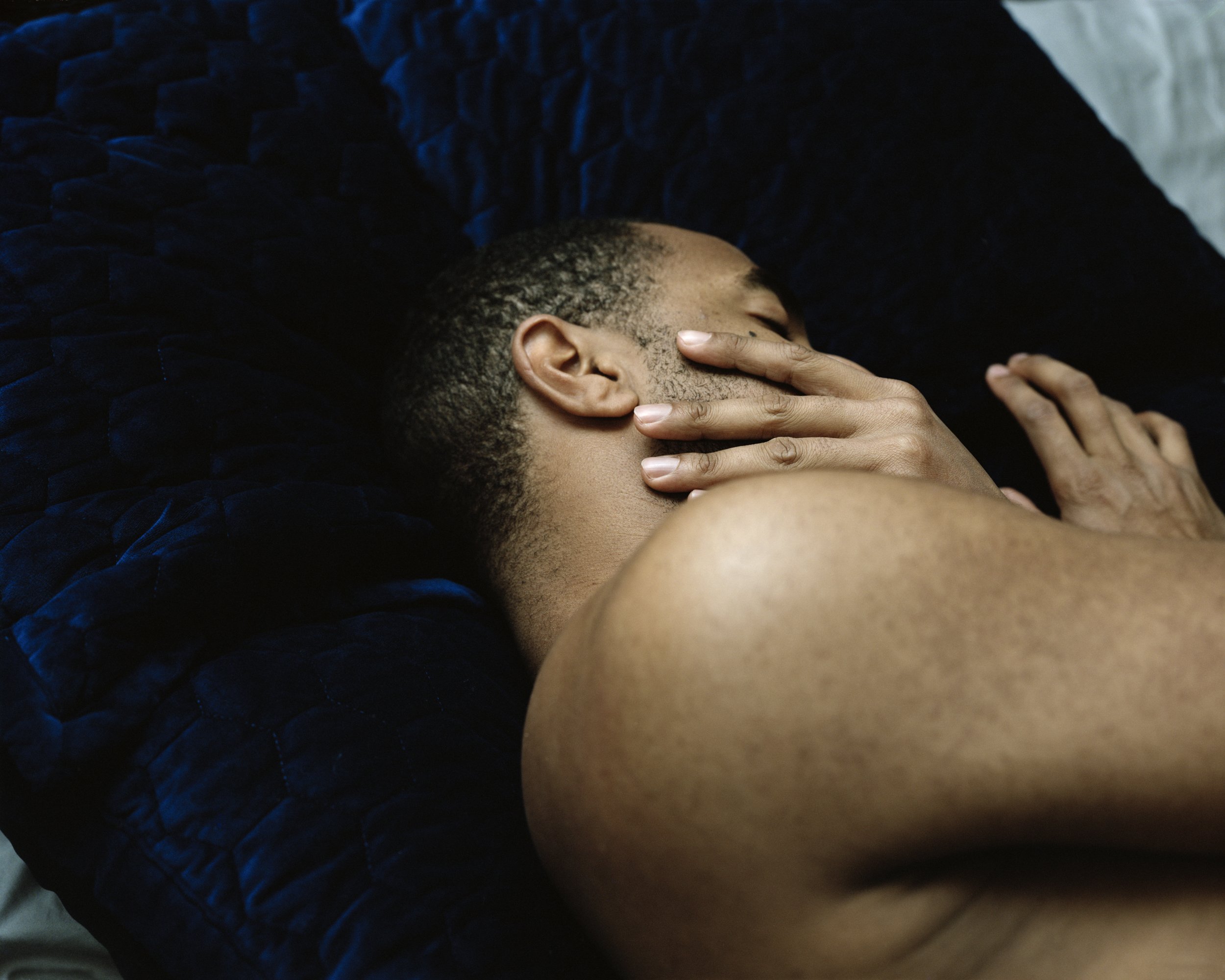
11. respose
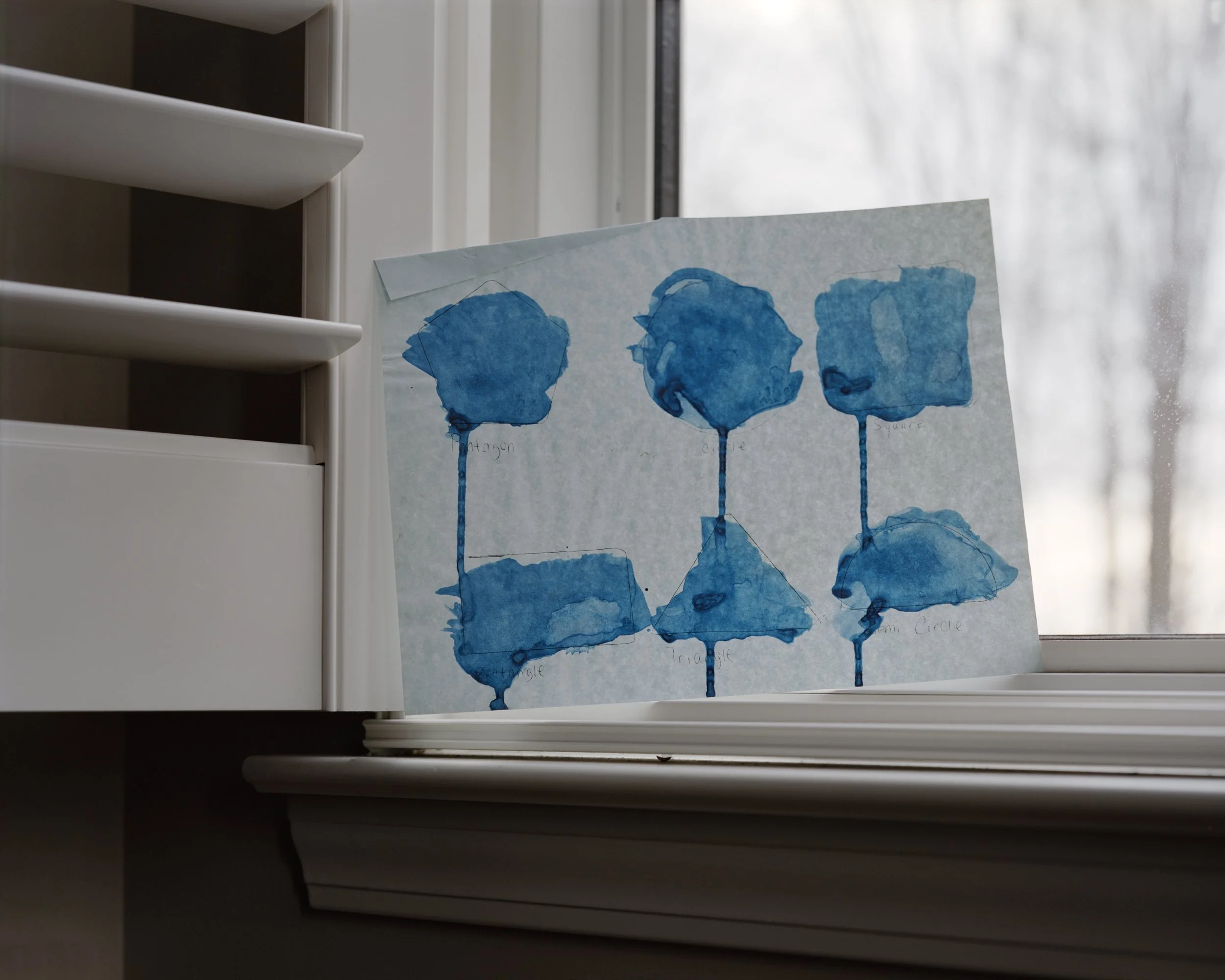
12. first drawing

13. collar
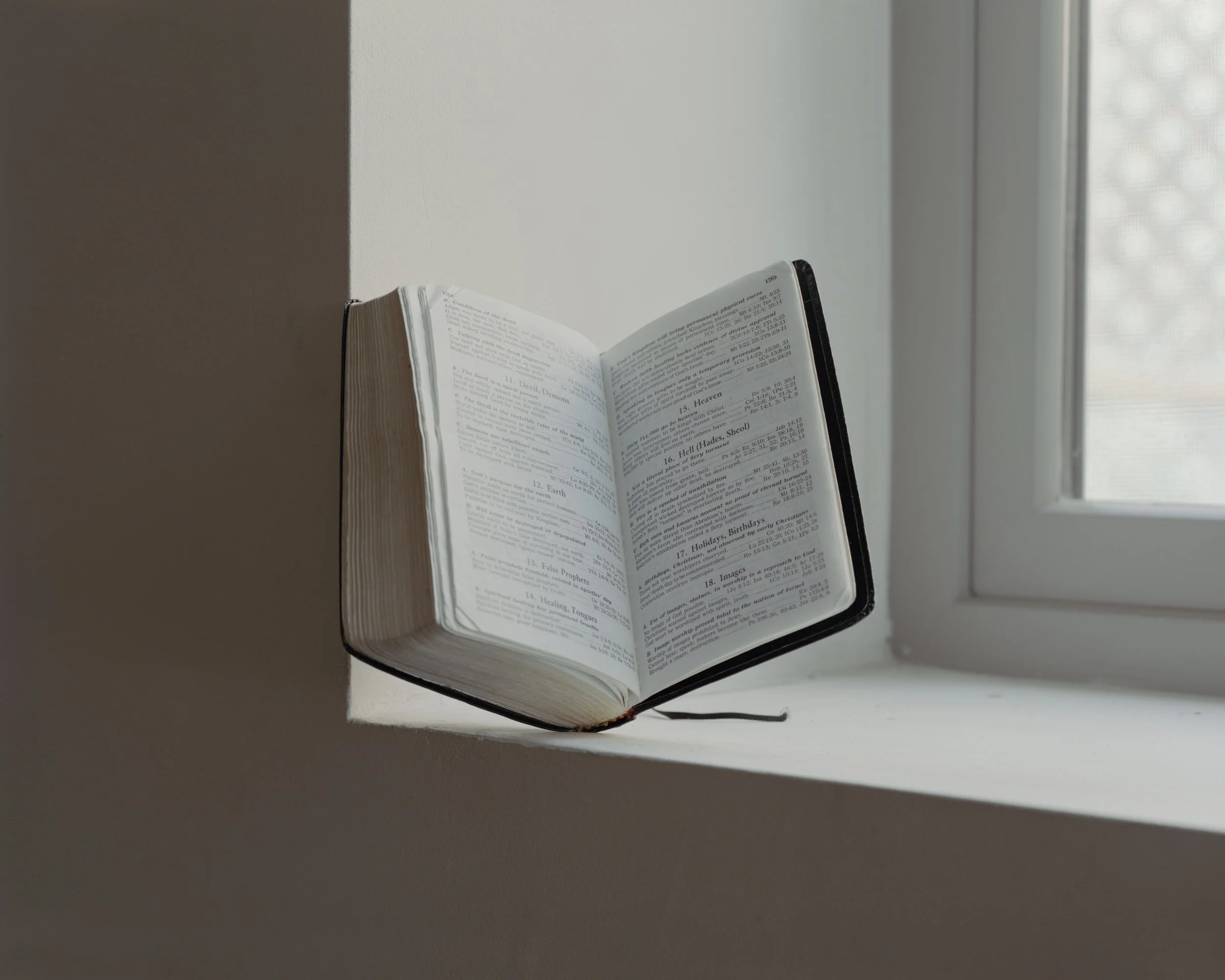
14. Images
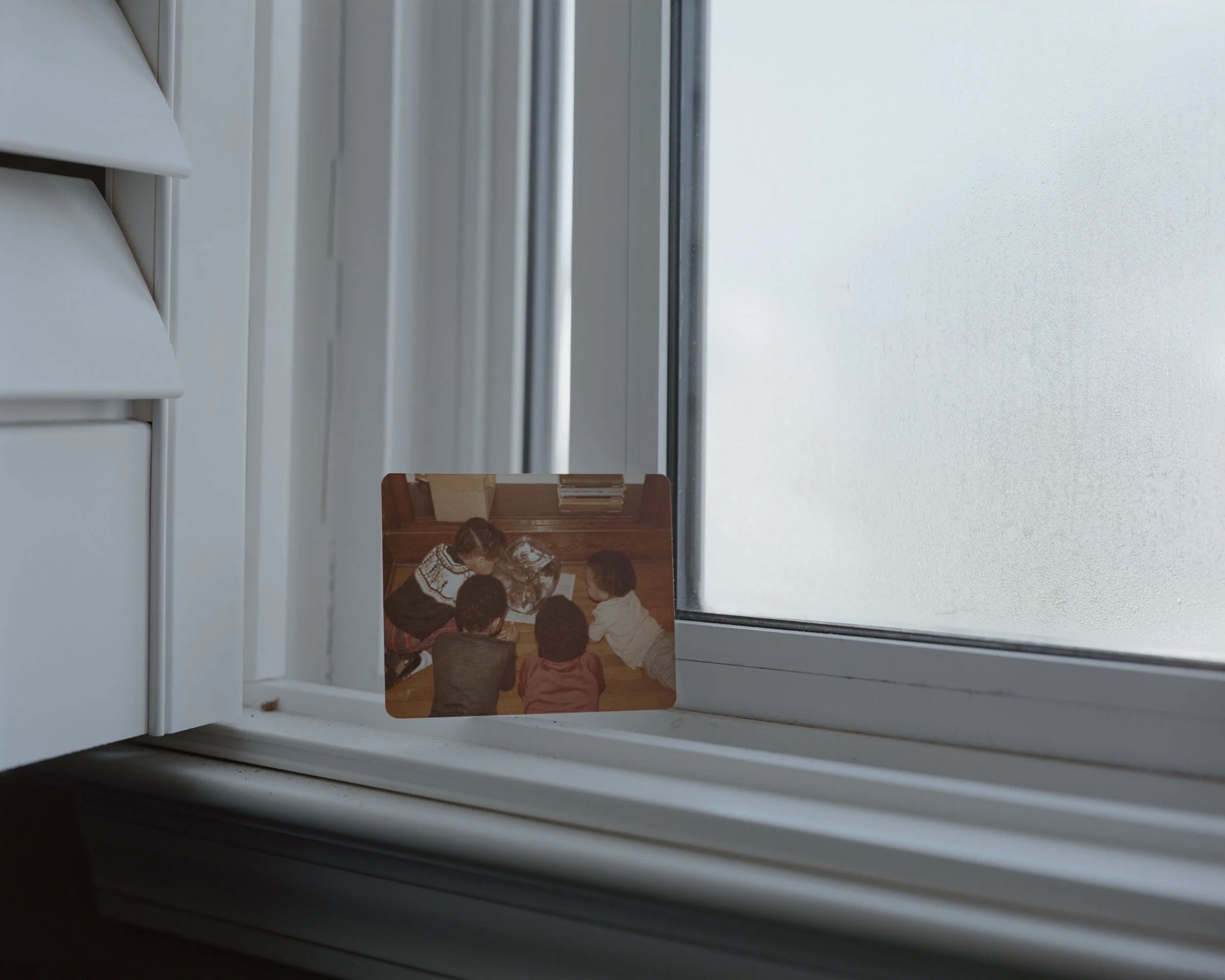
15. fishbowl
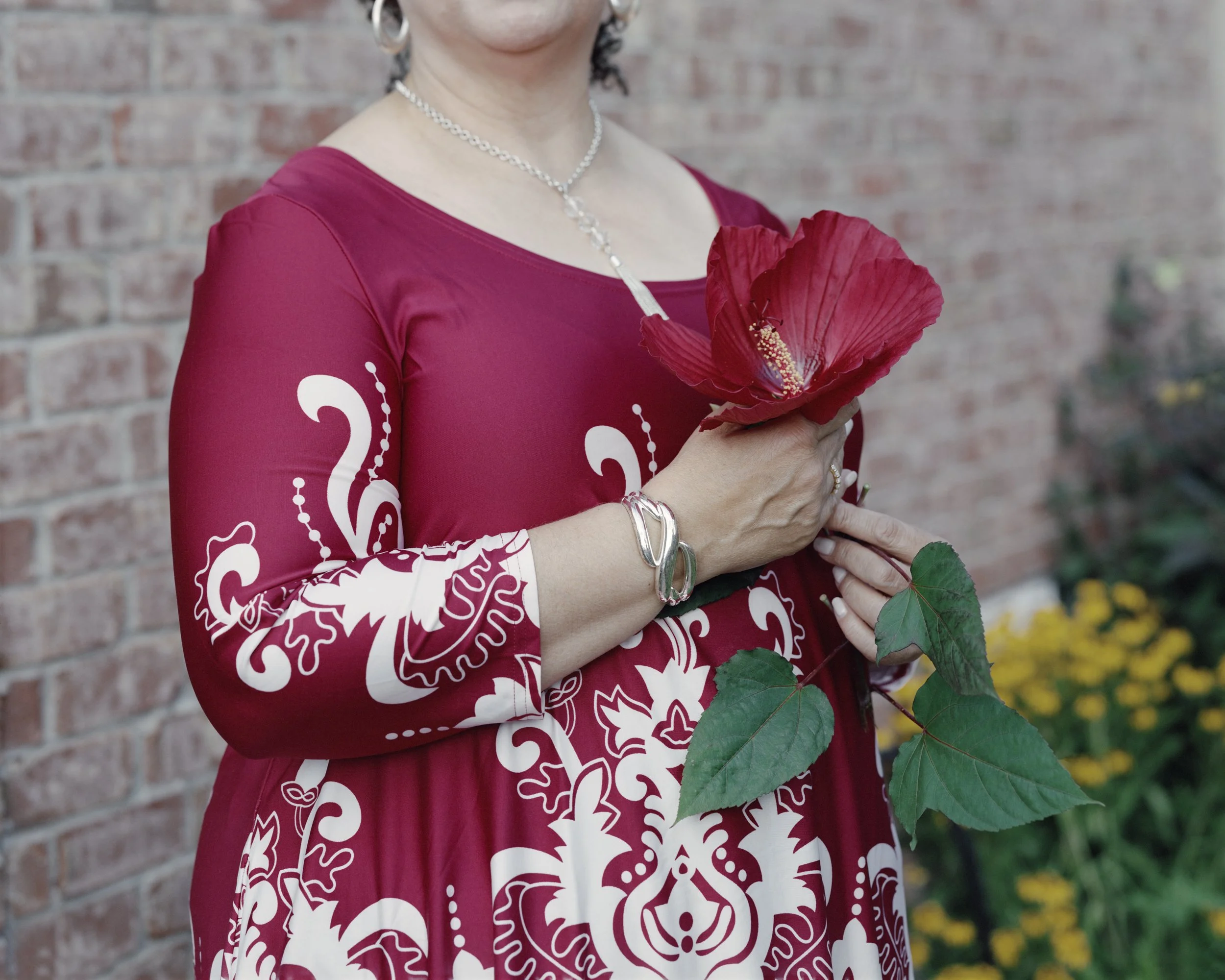
16. hibiscus
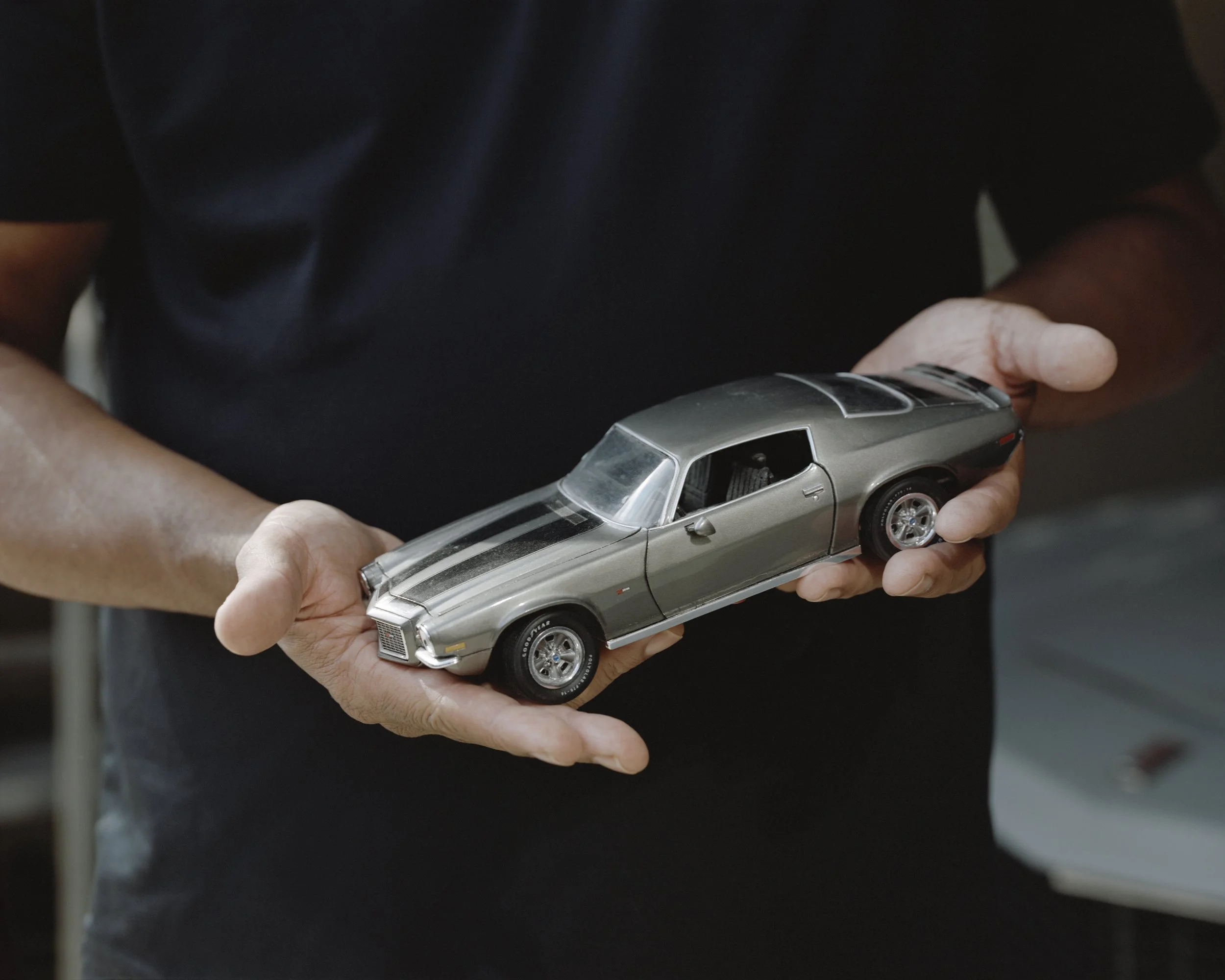
17. z28
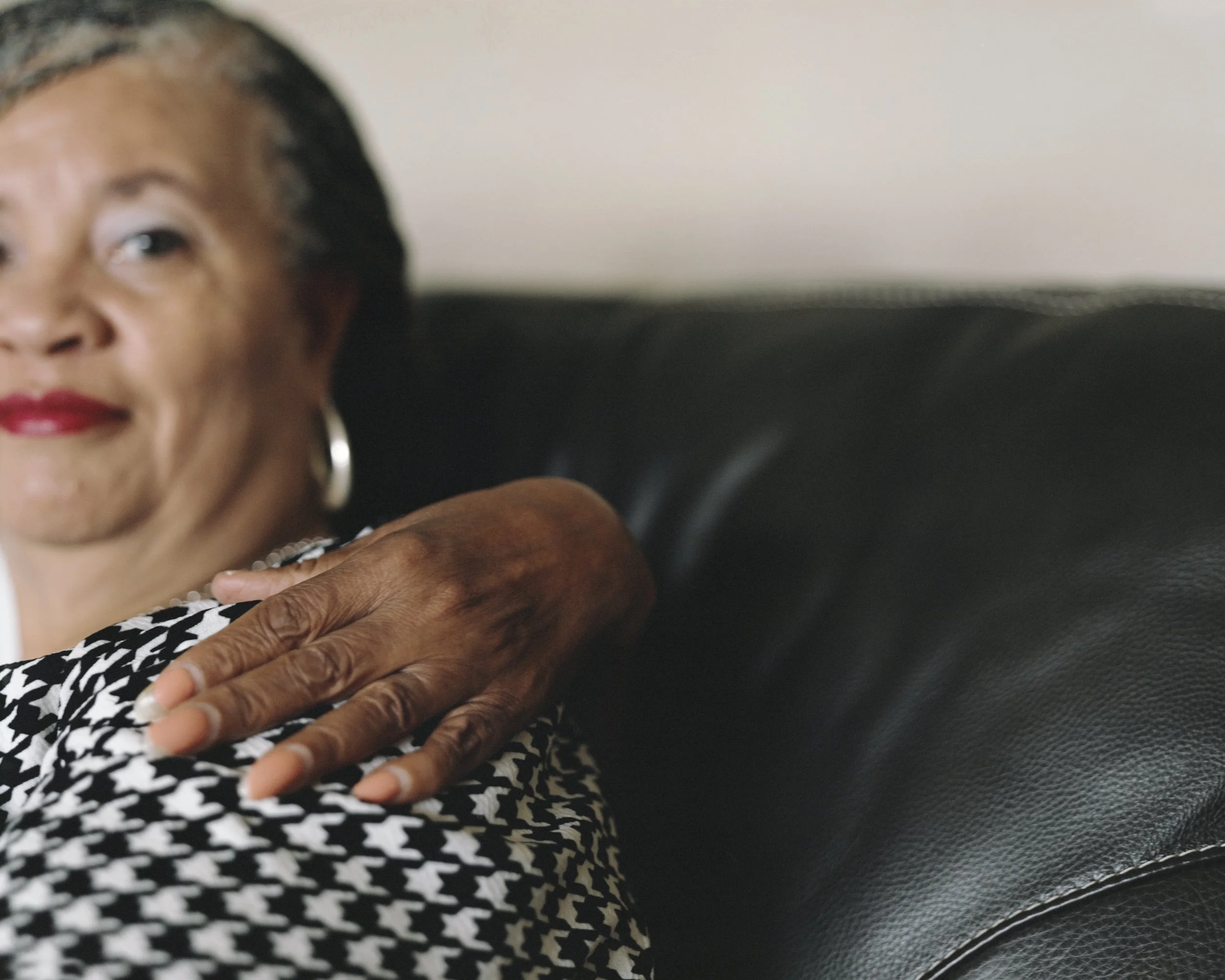
18. with Mary
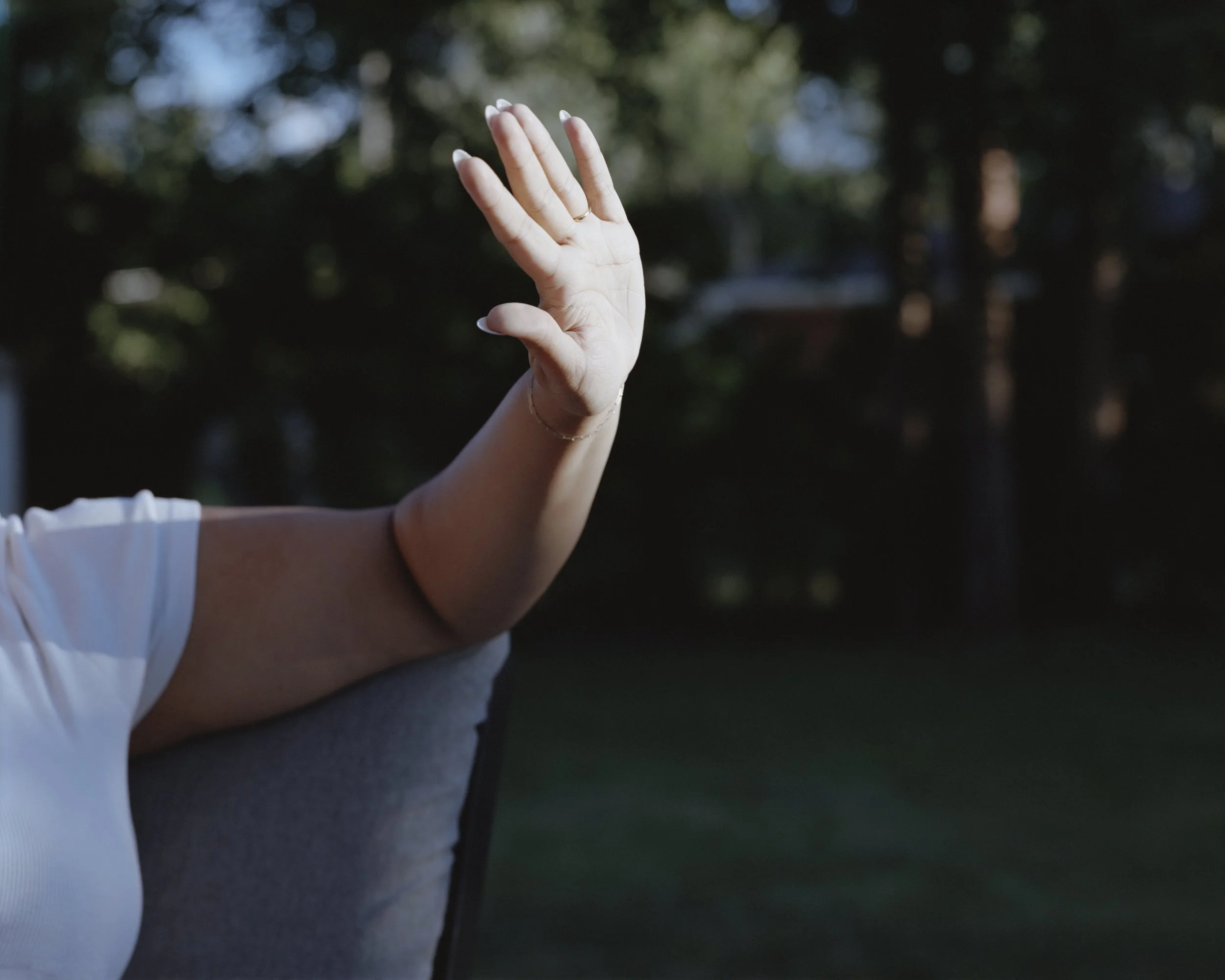
19. touching light
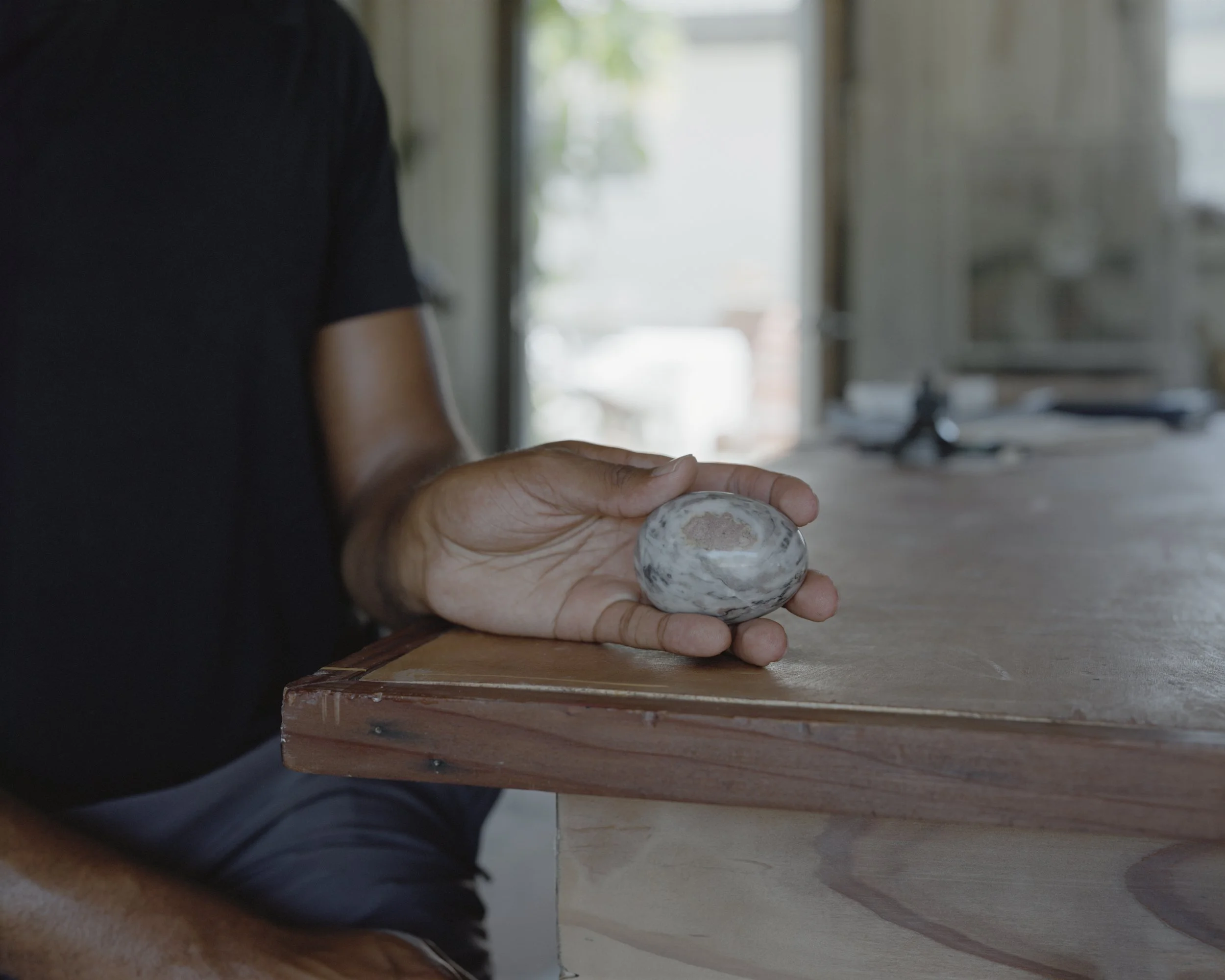
20. stone egg
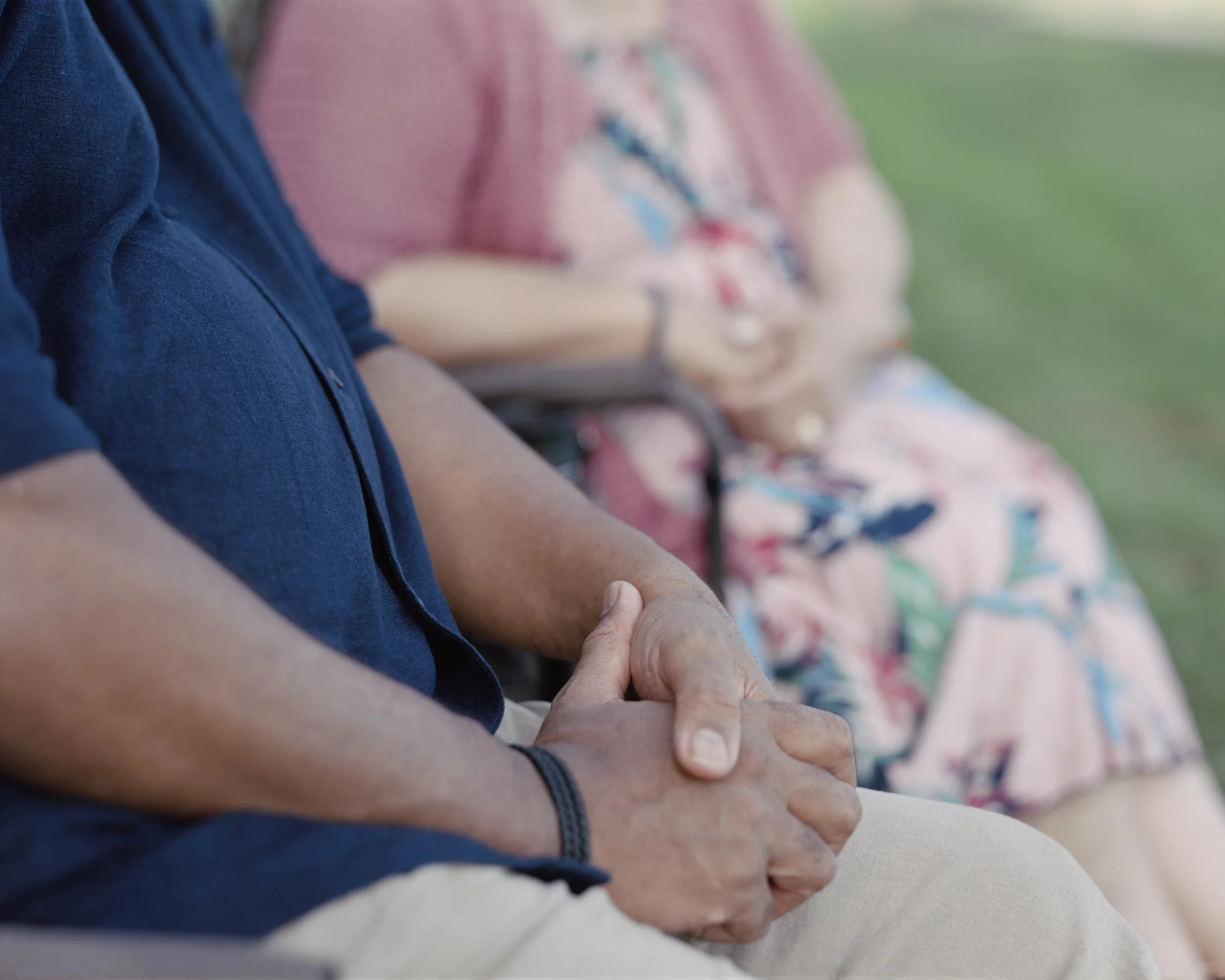
22. lakeside
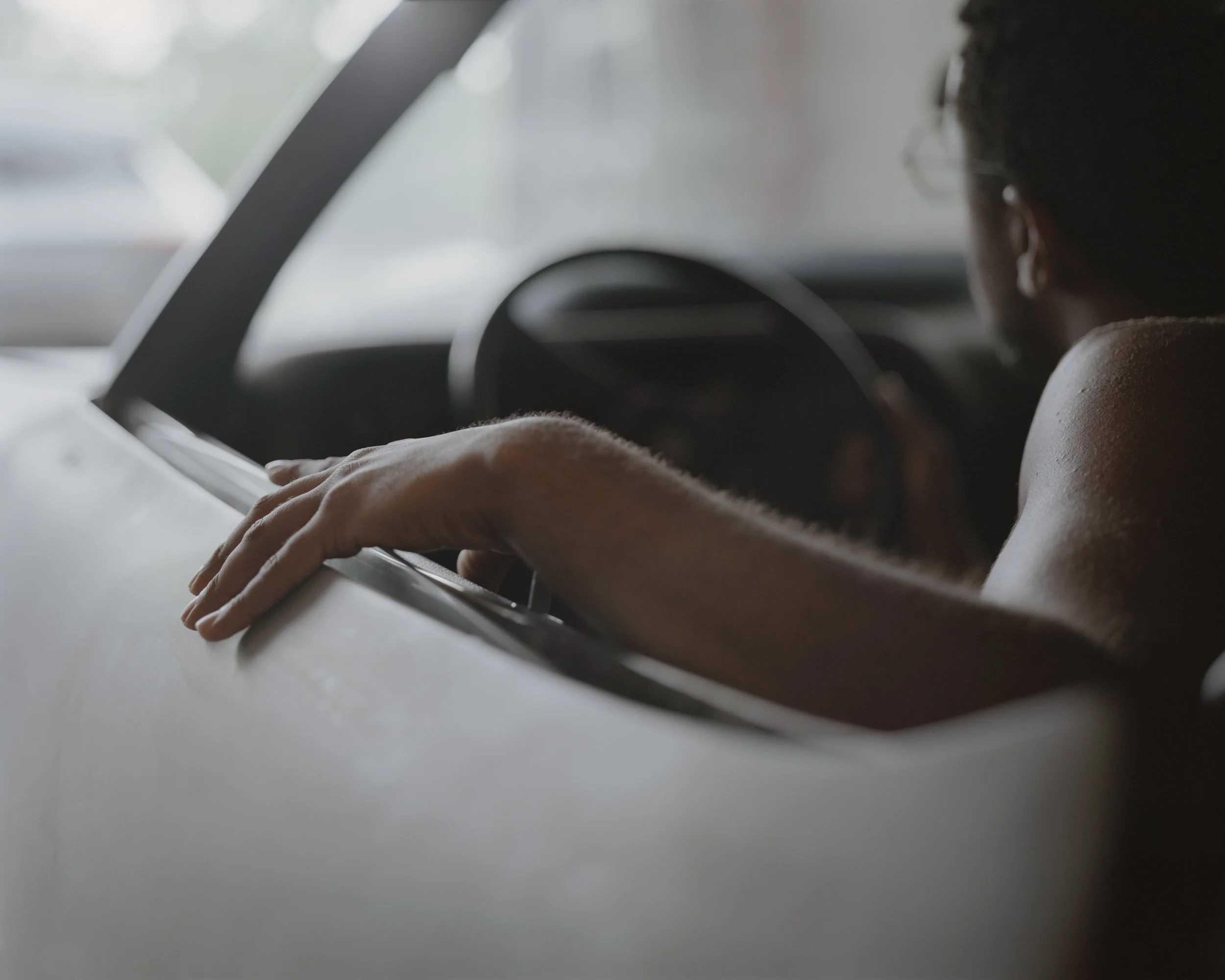
21. dream cruise
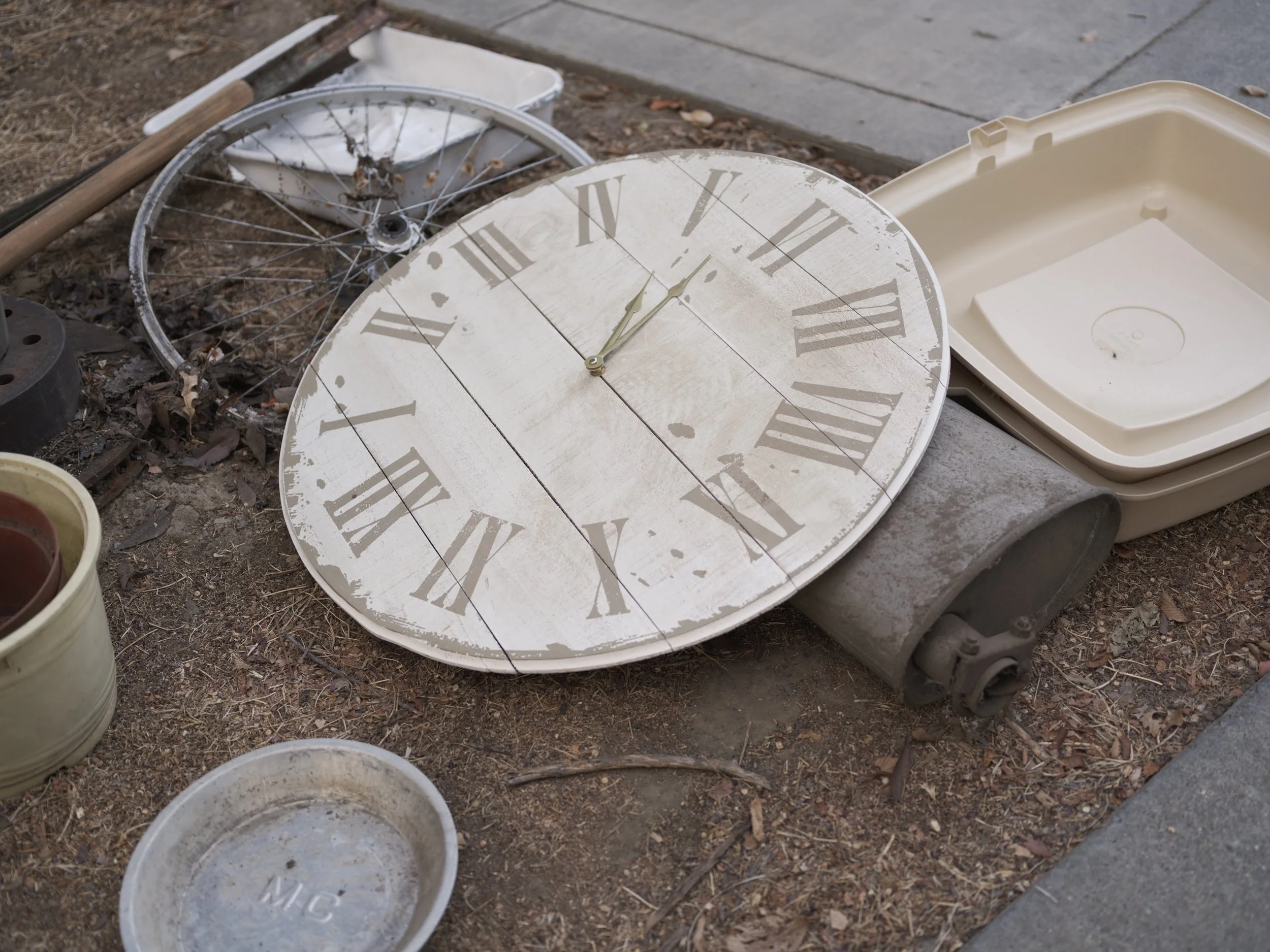
23. Sacramento, California
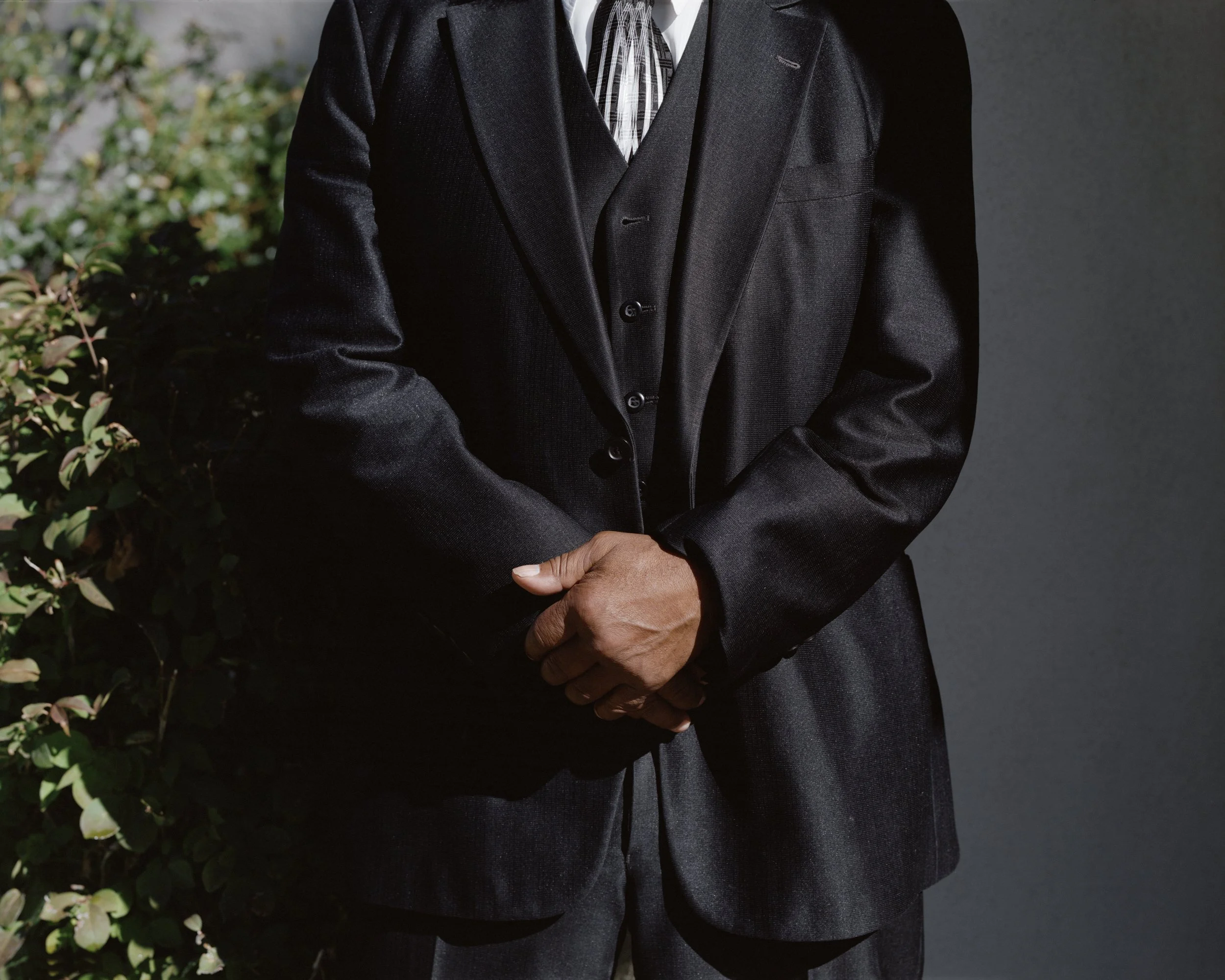
24. Black Springs, Nevada
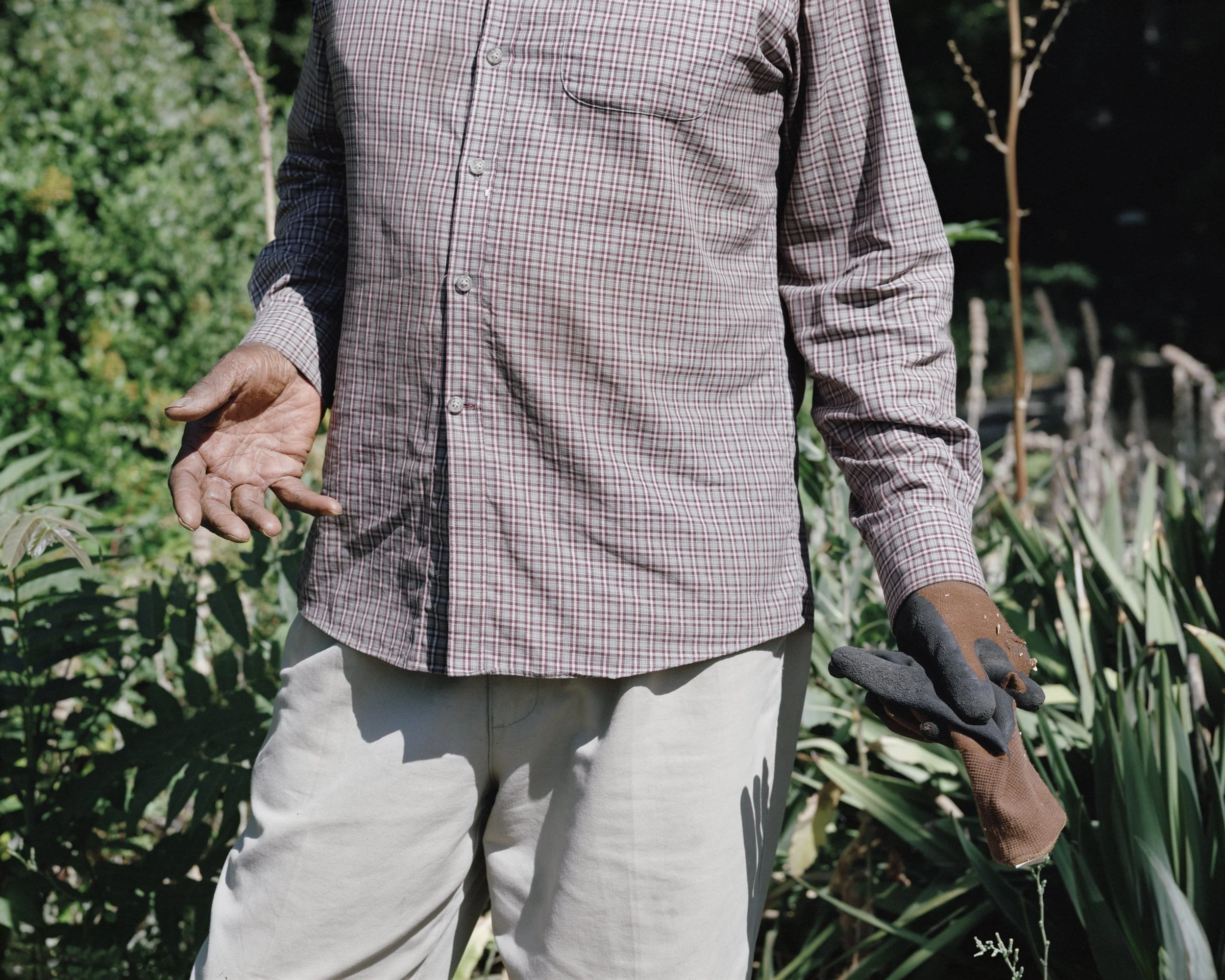
25. Salt Lake City, Utah
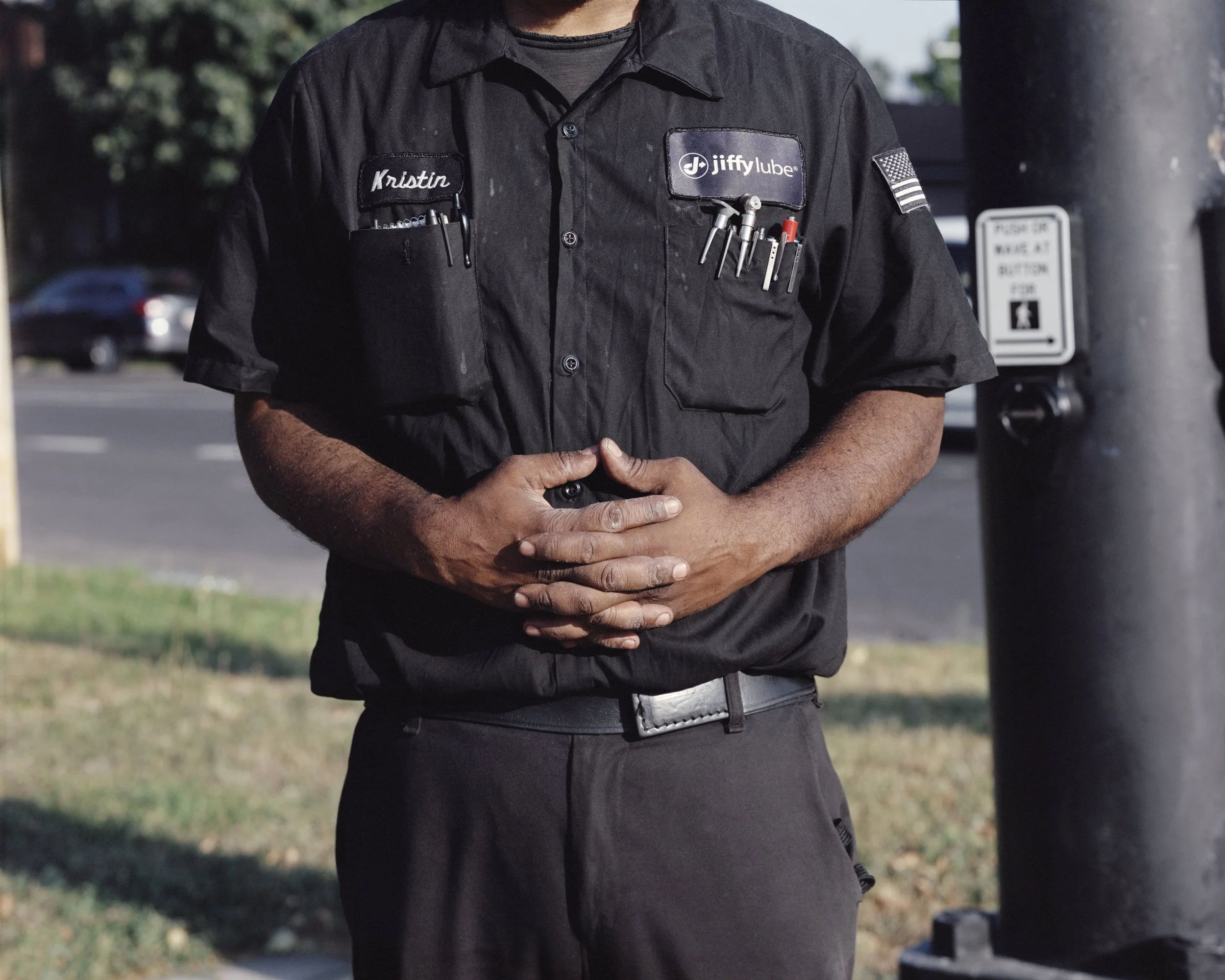
26. Salt Lake City, Utah
27. Salida, Colorado
28. Albuquerque, New Mexico
29. Albuquerque, New Mexico
30. Oklahoma City, Oklahoma

31. Batesville, Mississippi

32. Oxford, Mississippi
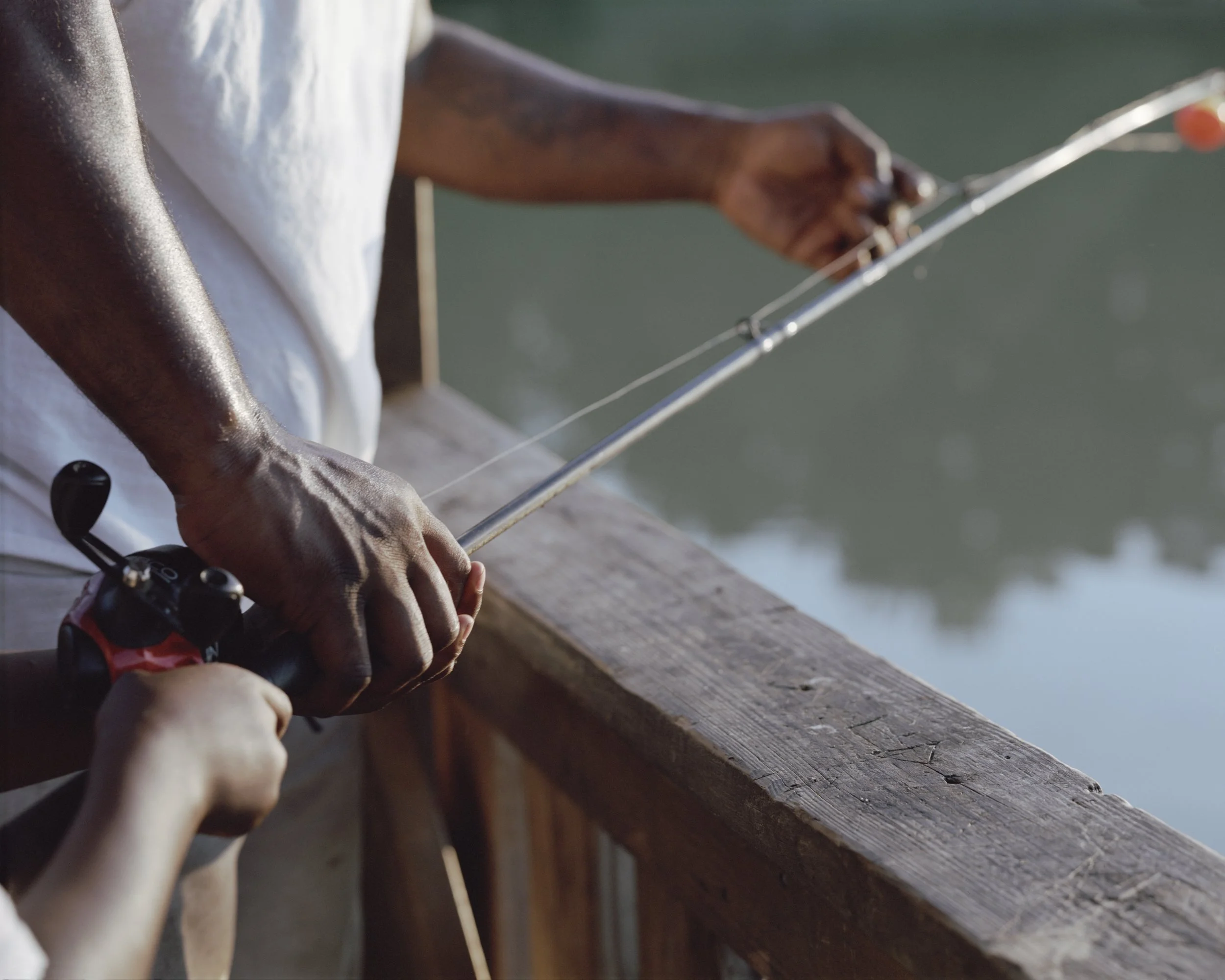
33. Oxford, Mississippi
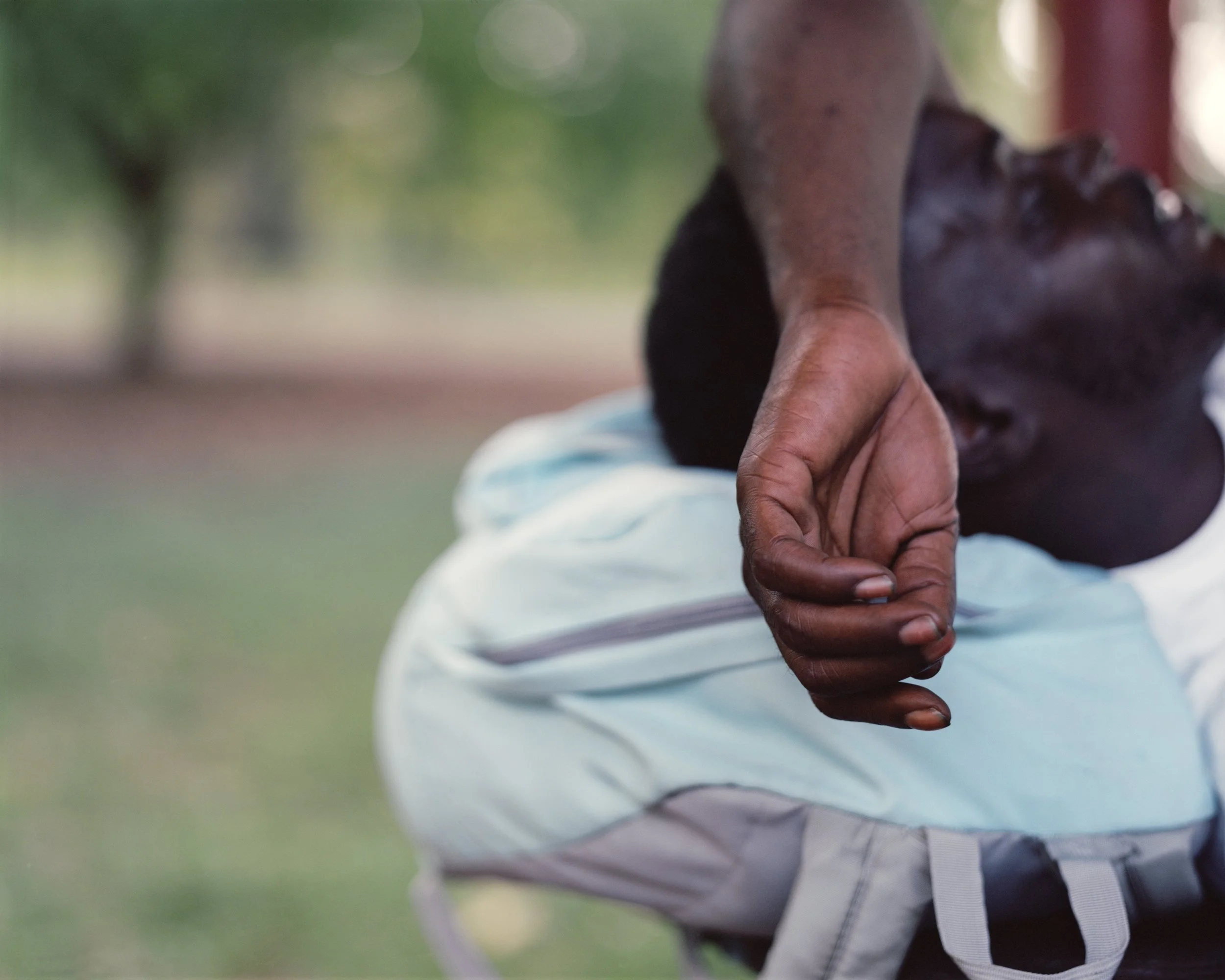
34. St. Louis, Missouri
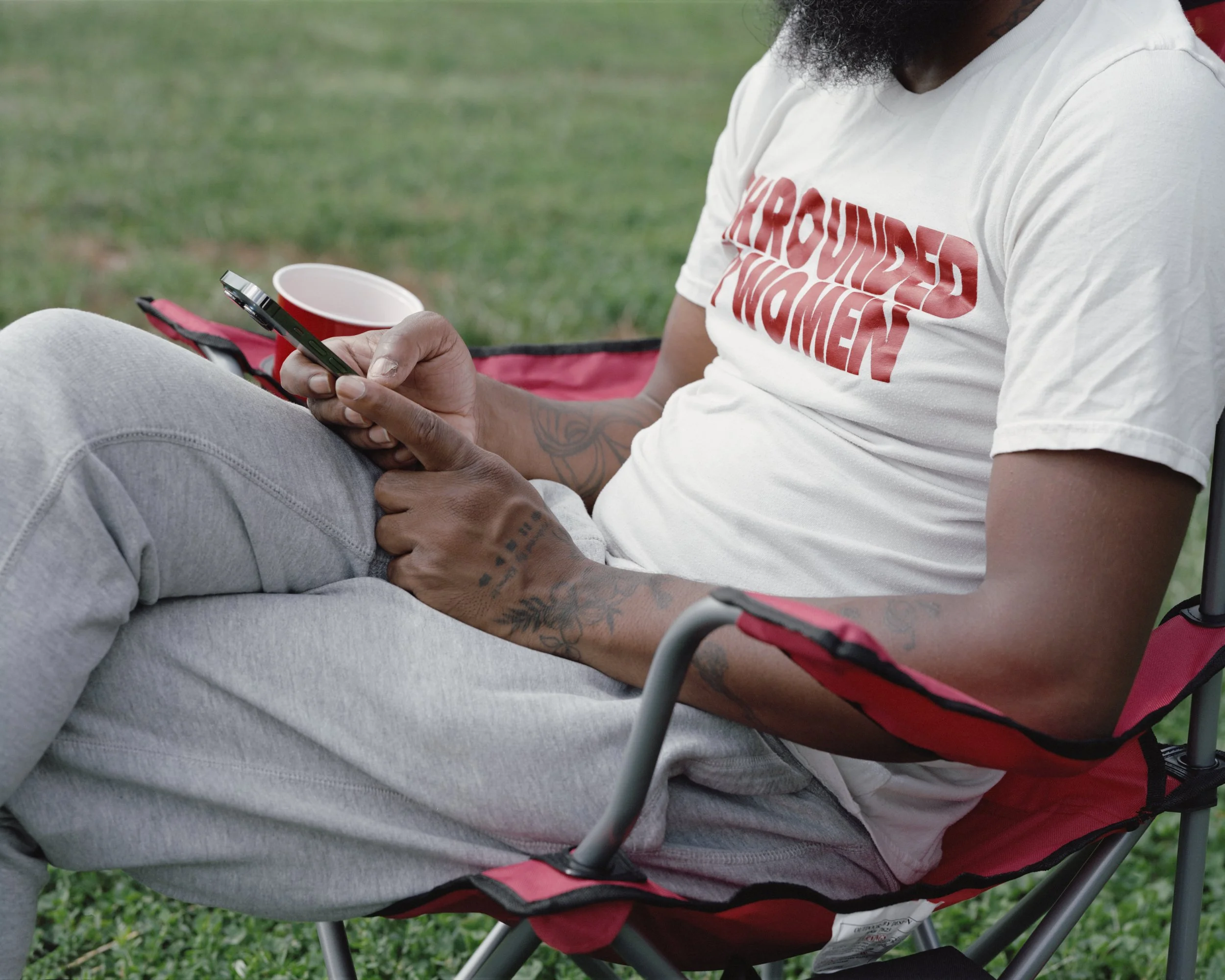
35. St. Louis, Missouri
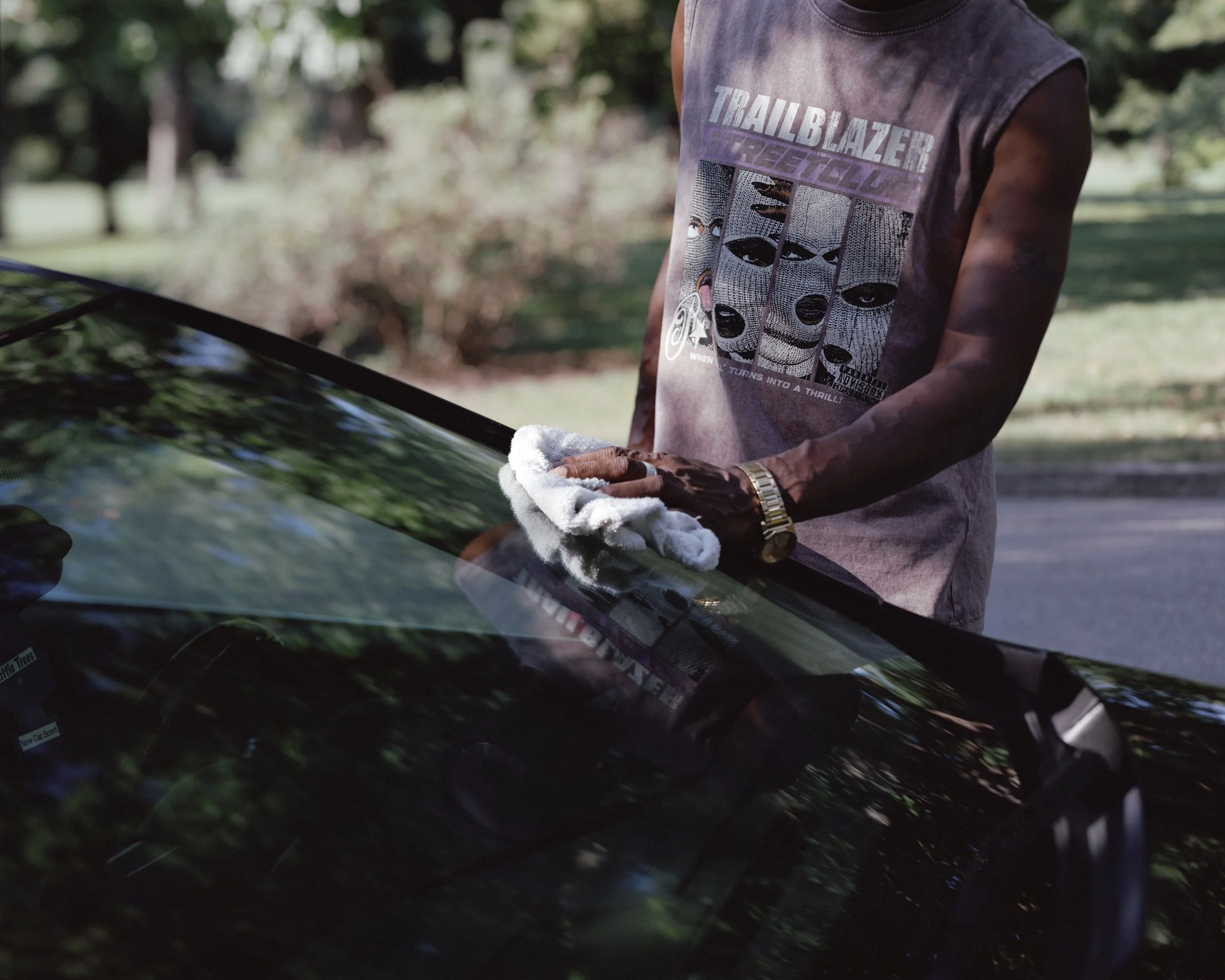
36. St. Louis, Missouri
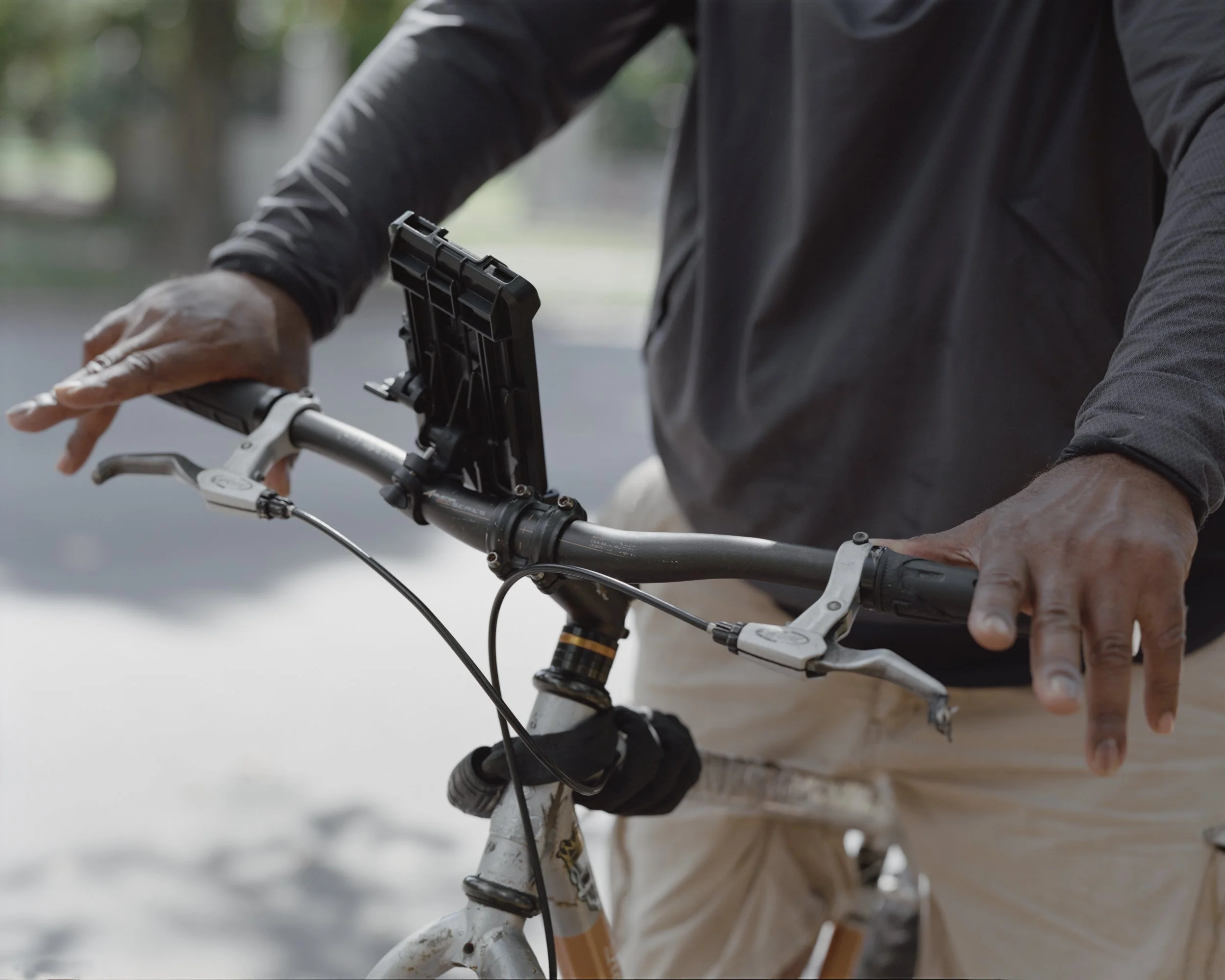
37. St. Louis, Missouri

38. St. Louis, Missouri
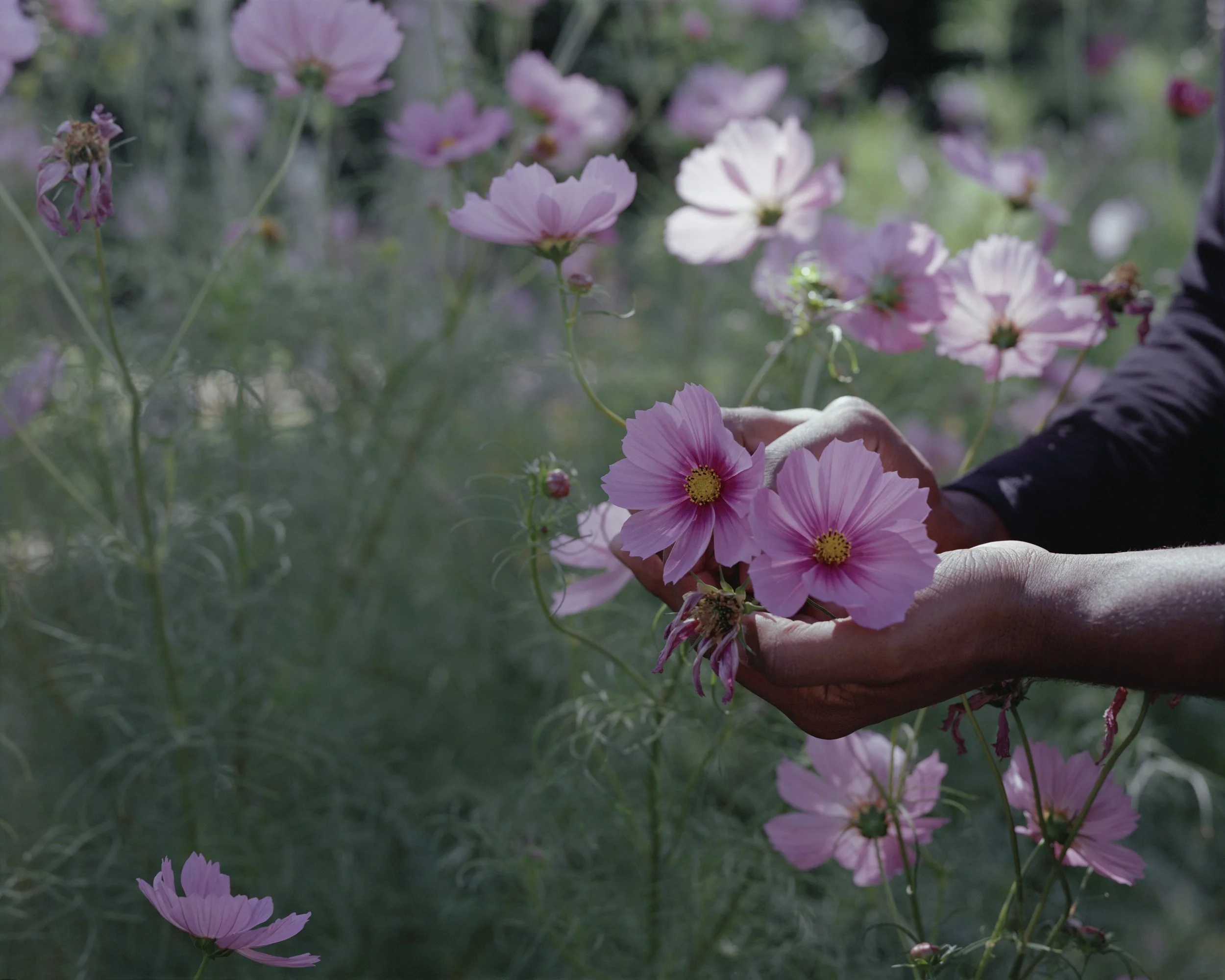
39. Detroit, Michigan
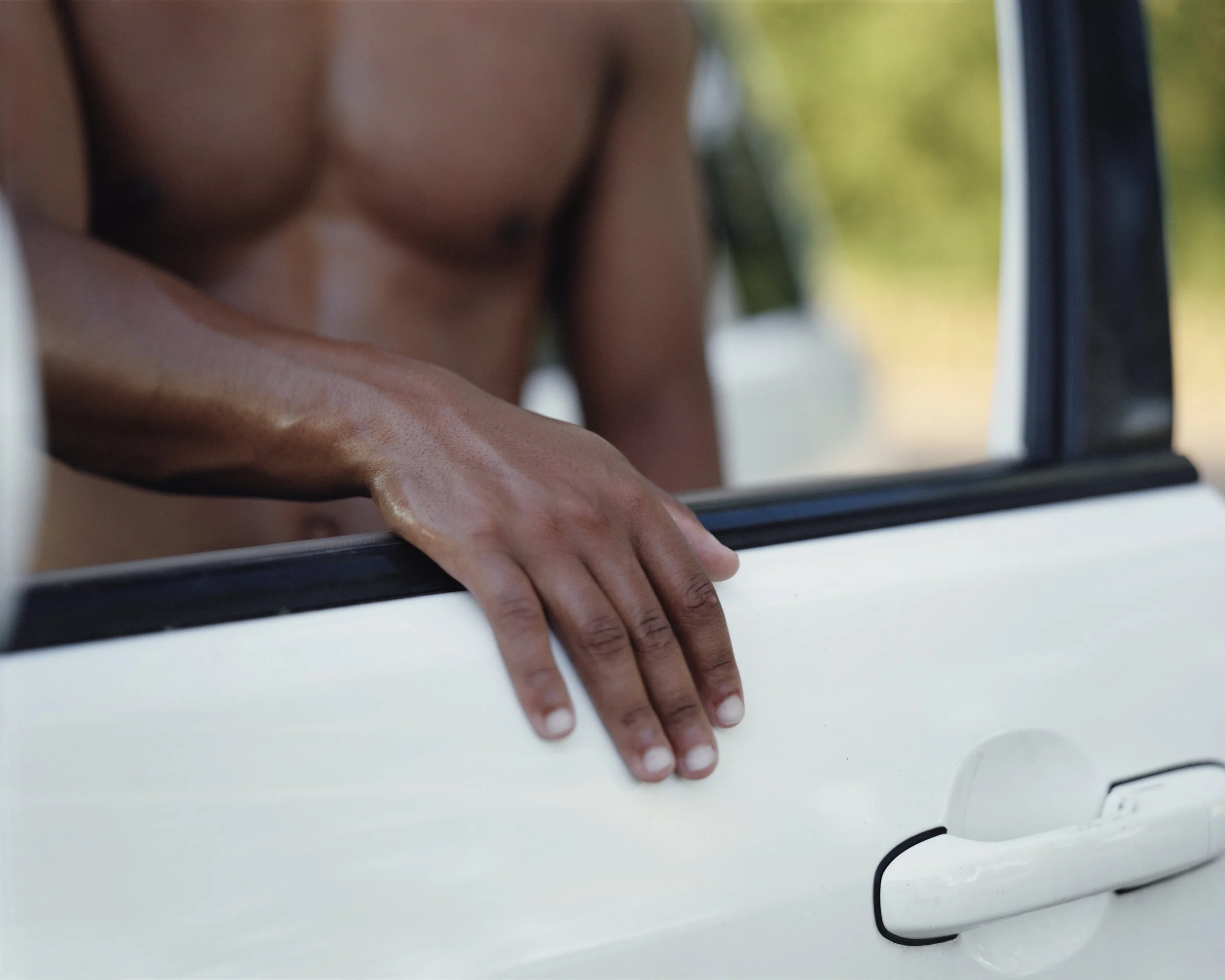
40. Des Moines, Iowa
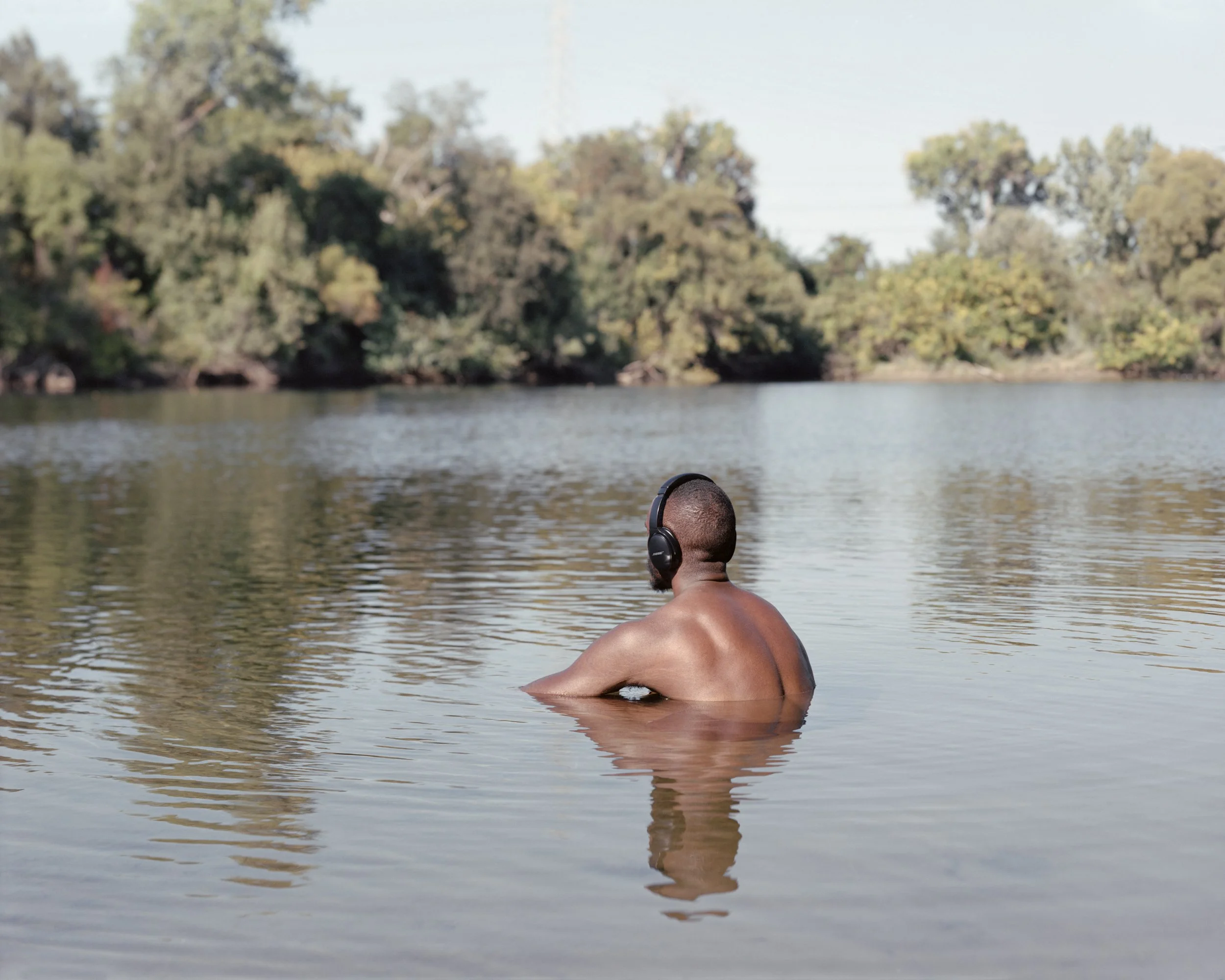
41. Sacramento, California
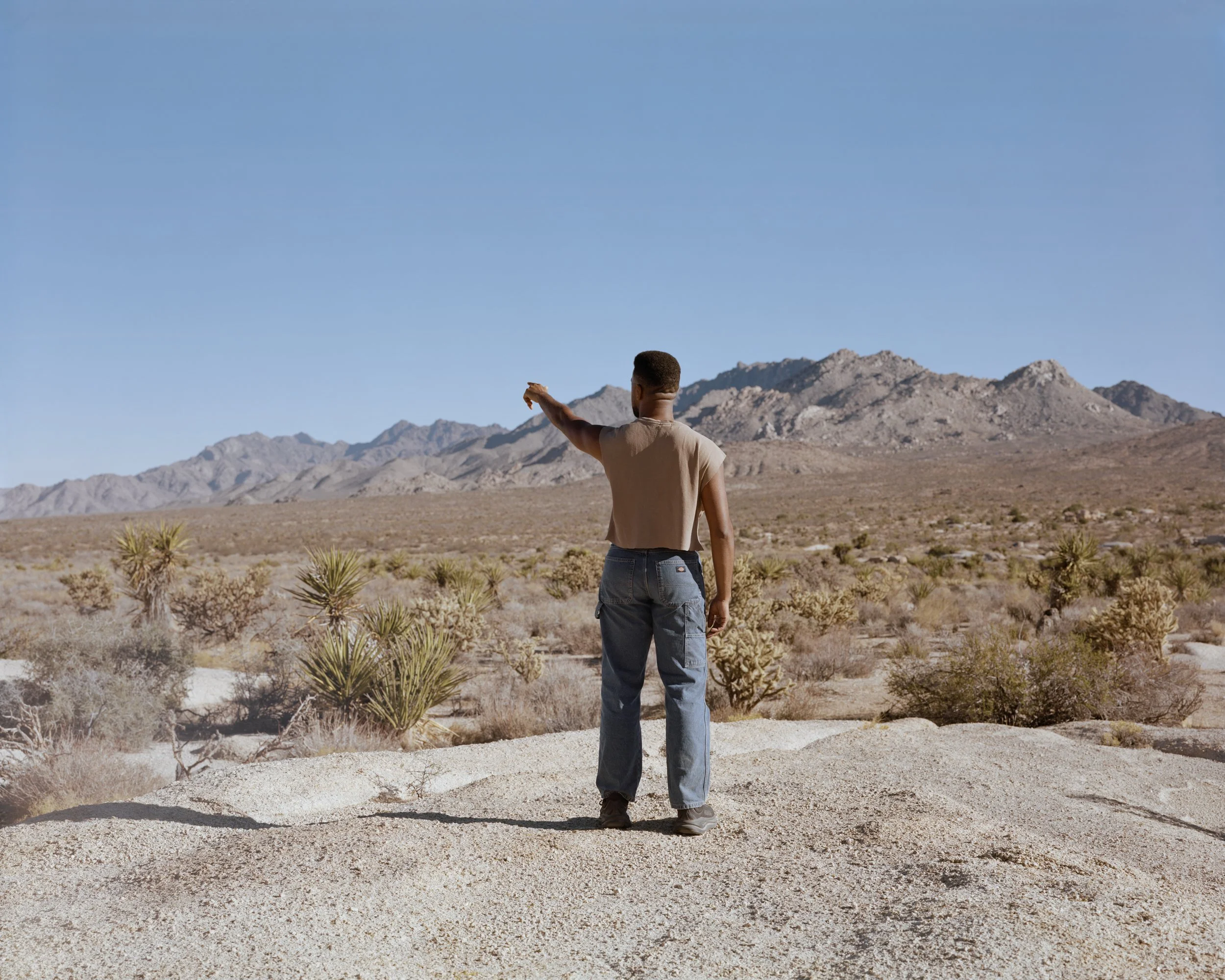
42. (After John Wilde)
Photographs 1 - 22 were presented with image-notes in the 2025 Photo Alliance Lecture Series. Photographs 23 - 42 are linked with an ongoing travelogue essay in progress. I have reproduced some of the edited notes here guiding headings.
(1 - 22)
My mother is learning to walk again after a necessary knee replacement. We adjust the layout of chairs in the house, and I fetch things for her from the attic and cellar spaces that she won’t be able to get to for some time. One evening I ask her to re-stitch a few loose buttons on a coat she thrifted for me from a local Hadassah when I was fifteen. A good coat everyone says when they see it, forest green with squares of yellow trim. A Moorbrook wool coat from the United Kingdom, imported into Michigan by the haberdasher Carl Sterr in 1957. As she re-works the buttons, I photograph the moment.
When I began to pick through drawers during this winter visit, and arrange handheld things on the dining room table, my mother asked me to explain what it is that I saw in such common things. What I said then was that I felt like the objects had a charge to them. What I thought after seeing the negatives of them was that the objects are a kind of golden key to a second image. The one only I know but that others can supplant, or fill in, when viewing the photograph.
Detroit is a place fixed in my memory. Each time I’ve returned there to photograph since 2014 it has been in the middle of Winter. There is less snowfall now than in my childhood. Yet, the winter light - steely grey with hints of robins egg blue - remains constant. My family has transitioned through three houses since my departure, and the bits of me left with them have been consolidated into two boxes, and tucked neatly under the basement stairs. In my parents' new house, there are objects meant for expressing time or expressing its freezing everywhere. Clocks, hourglasses, geodes, Tiffany crystal lamps, stainless steel, granite counter tops and marble floors. Things that will outlive the four of us. Things meant to last forever.
I started to think more about a house as an image making device after renting a cottage in a town called Millis, Massachusetts. A suburb of Boston that had been burned and then rebuilt during the Kings Phillips war. Before living there, I spent years in the region photographing the dusty regions where some of my paternal ancestors lived or worked. Like an attic stuffed full with the content of a lived in house, the photographs gathered here are disparate but are placed next to each other with intention. New lines can be opened.
I made images of the material that was already a fictional rendering of the lives lived there. In this space of my own - so long as I could pay the rent - I had a little bit of room to accumulate the quotidian. A table, four chairs, one poster bed, a few glasses with crimped edges. I would stare out the windows in the front of the house facing the road, and could see the criss cross of passing trucks. Neighbors walking dogs. Out the back windows a forested area with a small creek, some old trees with mushrooms stemming at the base of their trunks.
Some writers in my past:
Gaston Bachelard wrote this sentiment between attics and cellars:
”In the theater of the past that is constituted by memory, the stage setting maintains the characters in their dominant roles. At times we think we know ourselves in time, when all we know is a sequence of fixations in the spaces of the beings stability - a being who does not want to melt away, and who, even in the past, when he set’s out in search of things past, wants time to ‘suspend’ it’s flight … space contains compressed time, that is what space is for.”
Marcel Proust writes on objects, things and the memories they contain:
“The past is hidden somewhere outside the realm, beyond the reach of intellect, in some material object (in the sensation which that material object will give us) of which we have no inkling. And it depends on chance whether or not we come upon this object before we ourselves must die…”
The green coat, my fathers shoe polishing kit, a well made wooden box with black and brown pots inside of it. My sister and I would shine our shoes before going to the Kingdom Hall on Wednesdays, Saturdays, and Sundays.
Proust again:
“Pleasure in this respect is like photography. What we take, in the presence of the beloved object, is merely a negative, which we develop later, when we are back at home, and have once again found at our disposal that inner darkroom, the entrance to which is barred to us so long as we are with other people.”
We keep these things for the beauty of them but also for some tethering, some stitching between then and now, then and now. Referential. Stone eggs that can hatch.
Toni Morrison writes on the function of images before fiction:
“…the image comes first and tells me what the ‘memory’ is about … these people are my access to me; they are my entrance into my own interior life. Which is why the images that float around them - the remains, so to speak, at the archaeological site - surface first, and they surface so vividly and so compellingly that I acknowledge them as my route to a reconstruction of a world, to an exploration of an interior life that was not written, and to the revelation of a kind of truth. So the nature of my research begins with something as ineffable and as flexible as a dimly recalled figure, the corner of a room, a voice.”
An invocation of Ariella Azoulay's expanded definition of the photograph:
“The photographed image produced out of an encounter invariably contains both more and less than that which someone wished to inscribe in it. The photograph is always more and less than what one of the parties to the encounter managed to frame at the moment of photography. The photograph is always in excess of, and always bears a lack in relation to, each of its protagonists. This excess and this lack are, of course, not shared by all those who took part in the encounter: it is impossible to subject all of them to the point of view of any single one.”
They are dreaming divine, with a long series of rising and falling ahead of them. Roland Barthes in the final pages of Camera Lucida, asks “How can we look without seeing?” This collecting, this stacking, this holding is my attempt. What is a public or private image? What is a creative or expressive image? If the photograph acts as a container for memory, what do we invent when we come across the images of others?
(23 - 42)
Reno 08/03 – 08/04
First photograph, a pastor outside of a church in Black Springs / Westbrook a few minutes before Sunday school. Moved to Nevada when he was three from Oklahoma. Black Springs was the Black neighborhood. He had lived in the same place for seventy years. Mixed with Cheyenne and Blackfoot. [He looked like my mother’s father.] As I focused, churchgoers were arriving, a young man with long black hair road by on a bicycle and waved. Feeling that you can see everything on people’s skin here.
A visit to the Nevada Museum of Art. Dorothea Lange photographs of workers and hands. Large banner image of her sitting on a car with her Graflex and Mary jane shoes. Adjacent a small show about Langston Hughes trips to Reno.
Evening of the third, in bed with a thin man. Remember telling him to look at your skin while you were under him. Goose flesh. His apartment cluttered. Later over food, the story of his drug habits and rehabilitation a few years ago. Him remembering the details of an arrest. The alerting sound of boots bounding up steps.
Salt Lake City 08/04
Cut through Nevada easily, pit stops in Winnemucca and Elko. Salt Lake is oriented with the cardinal directions, few streets named after people. Find a copy of Minor White’s Memorable Fancies at the Trolley Book Store. Walked downtown.
In bed with a man twice my size, memorable green eyes. A pilot on reprieve. Quiet and a bit removed with edges of softness. Too nervous to ask to photograph him.
Salt Lake City 08/05
Laundry at The Rose. Watch a man launder clothes and repack a suitcase. The laundromat is a kind of oasis. Photograph a man working in a yard named W. Walked by him twice before returning with the camera. Made images of him standing still with one hand removed from his gardening glove. Three exposures, moved to Utah from Maryland. Remember how quickly older men tell you their history. Remember, when you asked his last name, he said, “Only white people ask for your last name.” Remember, when telling him that you might stop in Cheyenne next. He said, “Wyoming? Be careful.” Remember, as you left him, he advised that you buy a hat.
I buy a sodalite bracelet and pieces of calcite from a café owned by a miner. Sodalite an aid to communication. Listless wandering, a visit to the Utah Museum.
I decide to walk with the camera. Make a photograph of a man getting off work from a Jiffy Lube. His shirt pockets filled with pens. In every image interaction, each man has a touchpoint for understanding the camera. Most important to remember, they are mobile.
08/07
A drive to B’s house in Salida. Three nights spent catching up. See, inside the rotating play space of their three blonde nieces and nephews, an animated Sally Mann photograph of her children in their river.
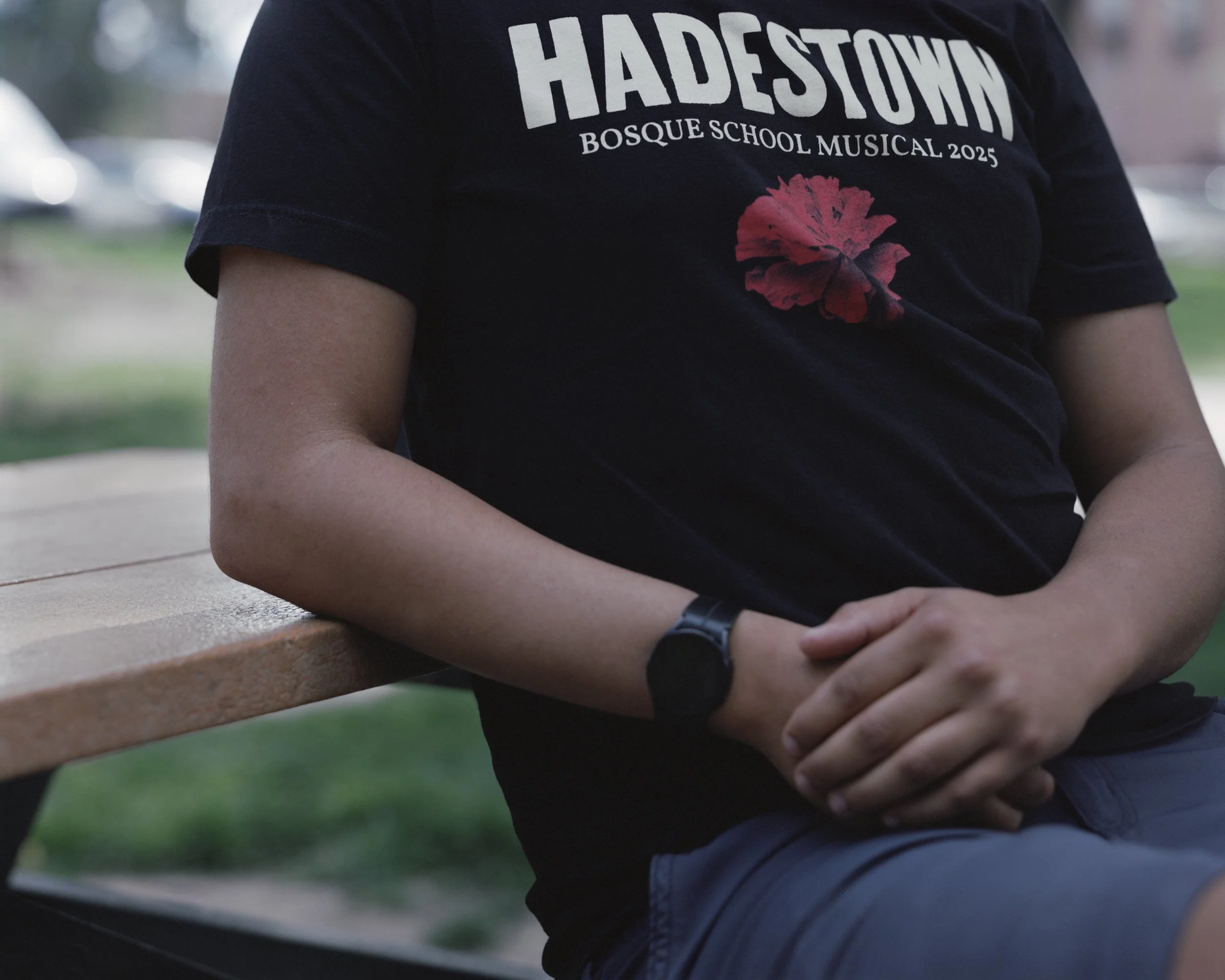
Walking with B and their horseman. Spot a young man sitting on picnic table running his fingers through his hair. Make two exposures, one from behind one facing him.
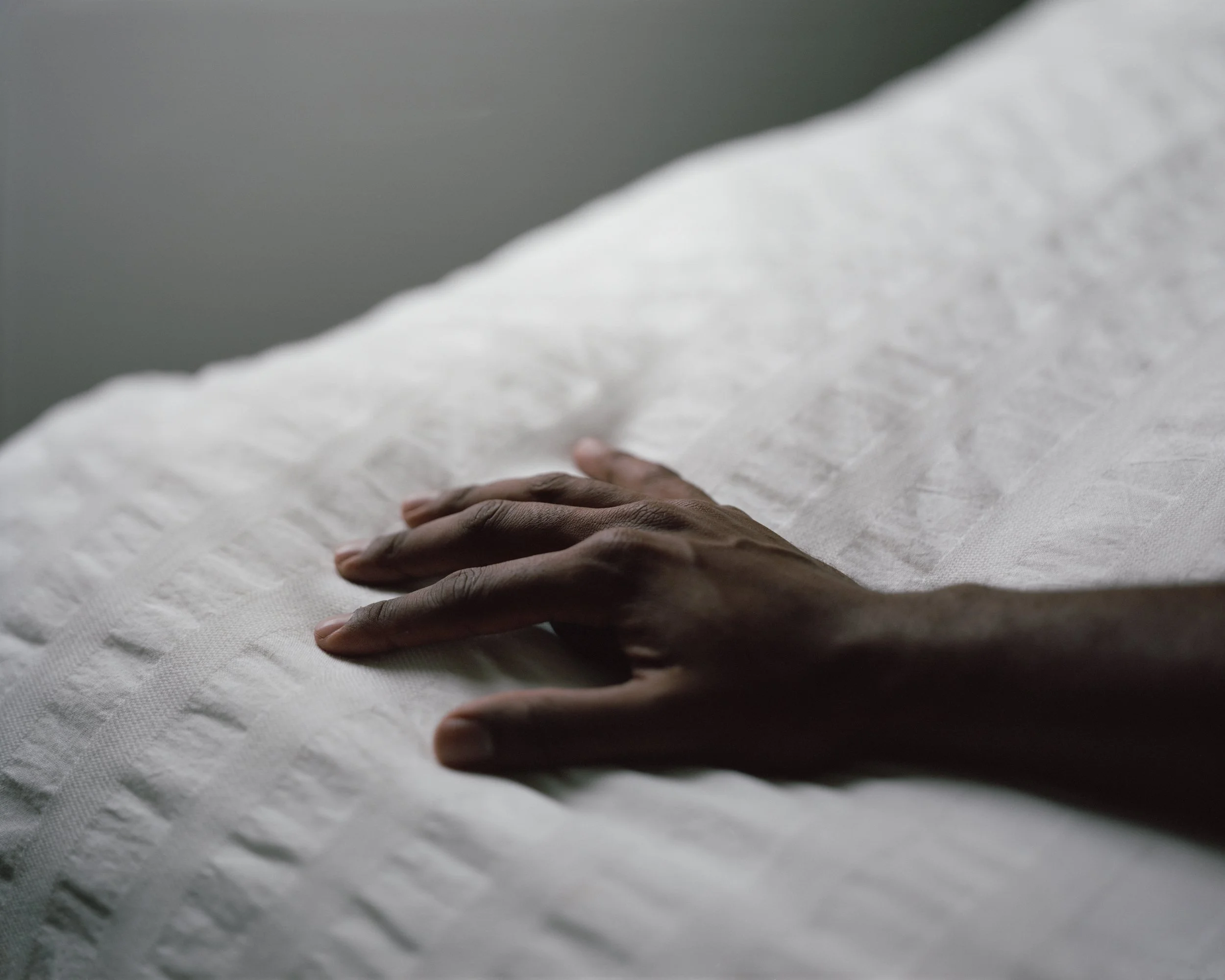
Five-hour drive down to Albuquerque. M messages me on the meetup app. We are the same color. Not a lot of time. Chimera of bodies.
Friendly waiter at restaurants gives suggestions. M and I looking at each other back and forth. Retire the attention you crave.
Albuquerque 08/11 – 08/12
New Mexico hot and dry, listless morning wandering into a café. Start a walk to the Rio grande but stop because the paths are deserted. A couple hours spent with M chatting about school, residencies, status of their friendships. Flirtatious but chaste.
Later into a lagoon like park with many people fishing. A family leaves before I can introduce myself.
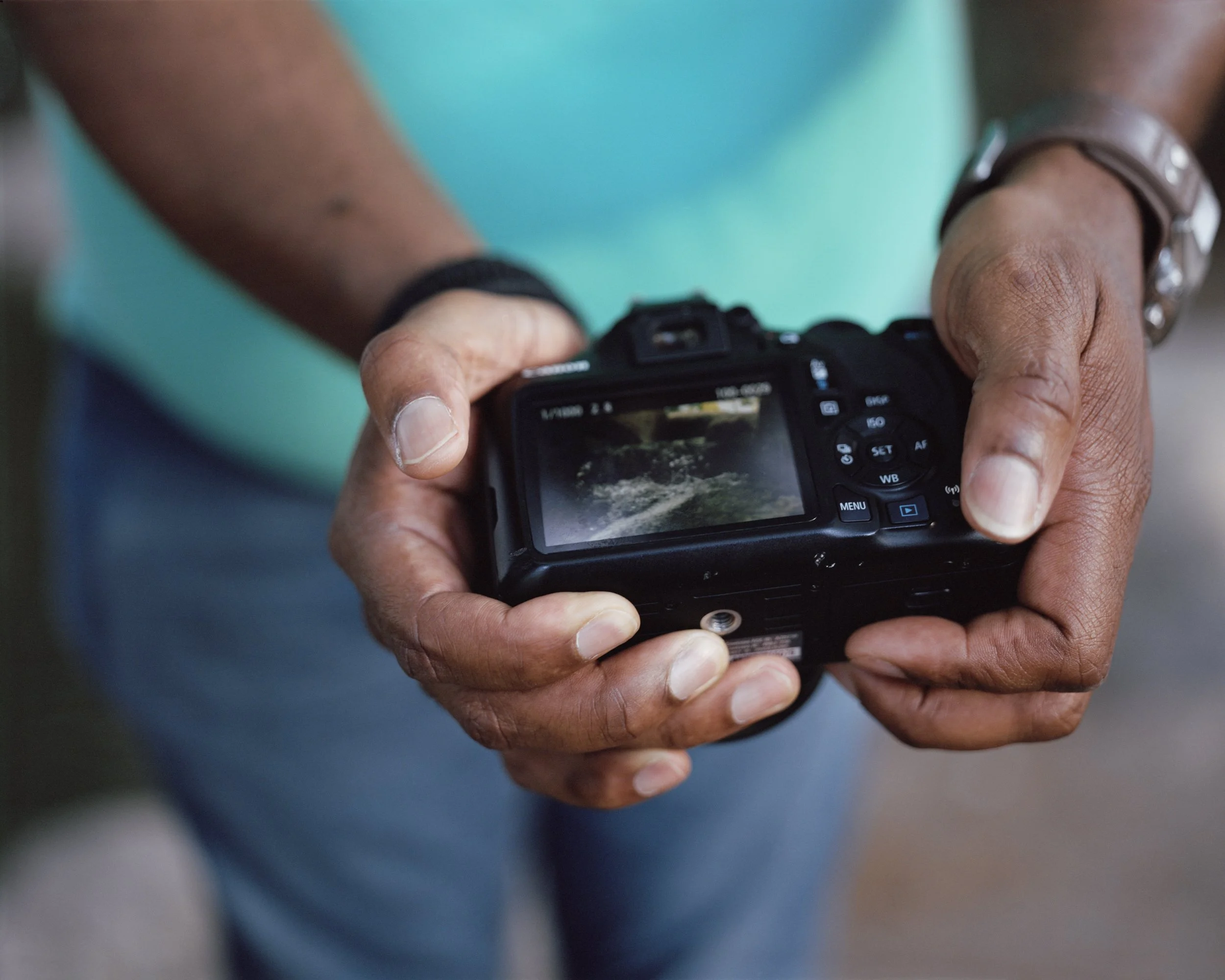
Two photographs of a man eagerly photographing a small creek like water fountain. The man, interested in the movement of water. After I image him, as quickly as possible, he turns it back on me. Remember him saying he wants to get better at photographing light skinned people. Remember him saying my skin was red. I scan his digital business card – bam bam bam photographs of parks and weddings in Dallas. This look back at myself via his camera.
In the rented house, fiddle with the broken shutter release socket on the 210. Begin listening to the novel Scaffolding by Lauren Elkin.
Empty follow through in a plan to meet and photograph a man on the meetup app. Back at the Rio Grande park, I follow a young man walking by himself towards the river. The heat is hard on me, so I go back and wait in a shaded garden area for him to return. He comes back but pays me no mind. I offer a comment towards him about the heat, but he says it’s not that bad and gets into his blue car.
Oklahoma City 08/13
Straight line drive on I40. Semi-trucks hugging the right side of the interstate.
Oklahoma, suddenly people like me everywhere. Think that only two men are needed. Wanting to stay longer with someone, try different poses.
I had been here before, when P and I drove to visit their family at Christmas. Can’t remember which neighborhood they were in.
Remember telling M this is how the hatchet works.
Eating and drinking at a restaurant downtown. Expert at eating by myself. Waiters moving clumsy and fast yet never dropping anything.
Watching a waiter hold his hands behind his back.
Oklahoma City 08/14
Something has to change in the process. Fourteen days and only 30 sheets of film. Today spent driving between OKC, Lake Heffner and Scissortail Park. No one outside to meet.
On a whim drive to the town Boley, one hour east. One of the thirteen standing all Black towns. Approximate population of one thousand. Approach two men on the street and construct a Milkman tale – I’m looking for a cemetery; my great grandfather was born here. A partial lie that could be true, my mother’s father was born in Oklahoma City. The men point me inside the Boley community center, where the ‘town historian’ is having lunch. Ms. Hicks sits between three other women. She is the one who says hello from a distance before realizing she doesn’t know me. She has silver straight hair to her shoulders. Two other men are on the opposite side of the room. Ms. Hicks says, “This is what we do, we eat our lunch here and the yell at each other from across the room.”
I tell my lie-desire, and Ms. Hicks and the Boley women stretch back in memory. The woman on her right is pointed to as the eldest at 91 (my grandfather is 77). Ms. Hicks opens the floodgates on the history of the interstate, the shrinking of the towns.
Like the pastor in Reno, we could be related on my mother’s side. Beyond the ruins.
Oklahoma City 08/15
A drive to Tulsa, eat a diner with the camera out. Hot.
Walk around a suburban amusement park called the Gathering Place. Teenagers with summer jobs picking up trash or just walking.
Walk through the Greenwood district, site of bombings in 1921. Museum and a neighborhood of businesses. Talk to a man about the camera. Mr. Fresh Ideas
Oxford 08/16
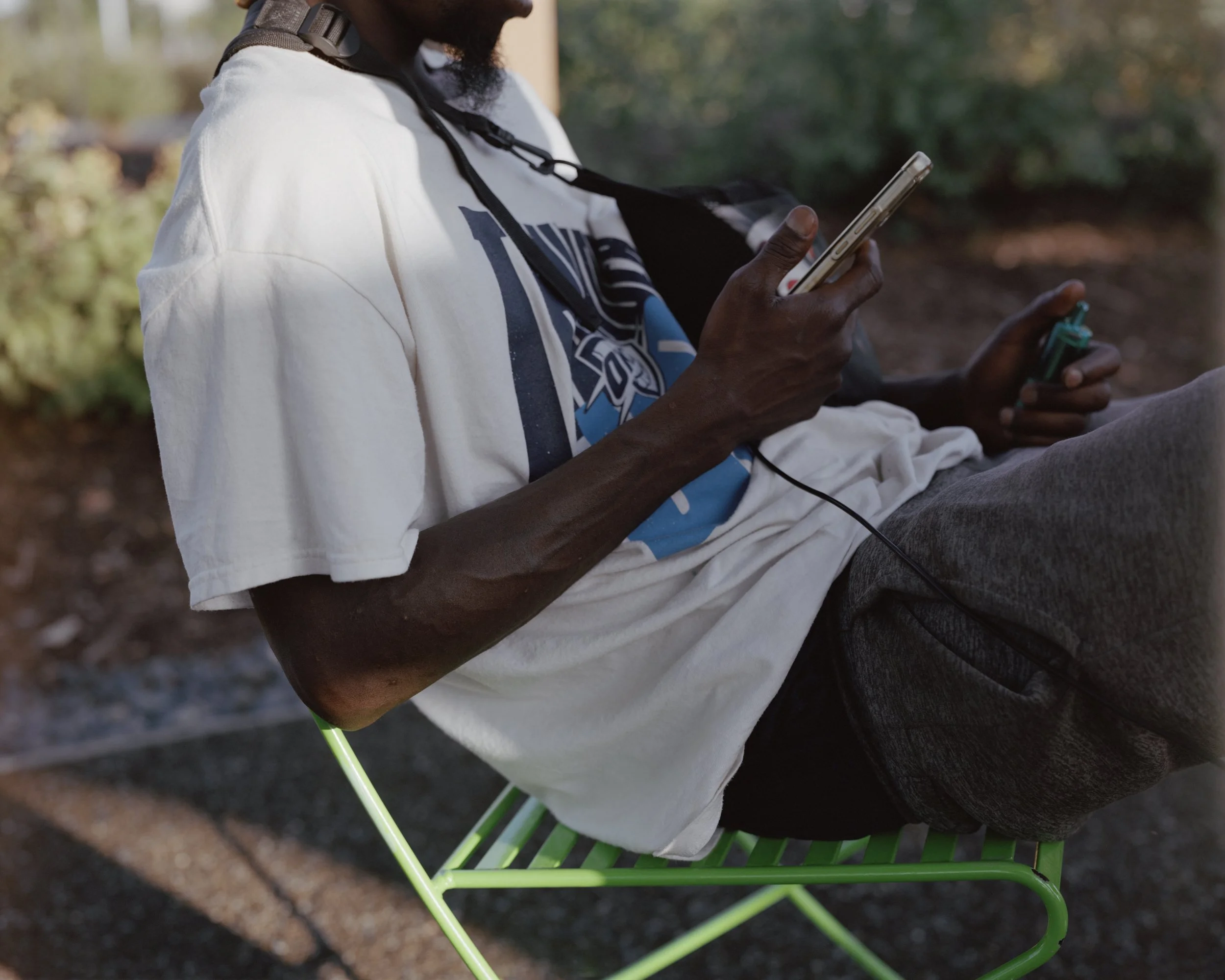
Before, two exposures of one man I had seen at Scissortail Park in Oklahoma. Sitting under a gazebo charging his phone.
Drove across the Mississippi to visit C, new home in a new job at Ole Miss. We talk shop in a tavern in the town square. Mental image of a sorority fraternity utopia, men and women in matching clothes.
Somewhere near Jackson my two aunts.
C slim and devoted to one. Remember feeling good to be with them in a new place. Talk about memories of being alone in a new place. In the bathroom I stood eye to eye with the showerhead and had to bend to rinse my head. We’ve never been the kind of friends to touch.
Oxford 08/18
Two exposures at the Honey Bee Coffee Cupboard in Batesville. Frame a young man, an air force veteran turned automation engineer. Before, walking in the punishing heat. A man tells C and I we’re in the bad part of town.
C makes photographs quickly, calling out when to stop the car. A sheet metal cross seen from a distance, things placed on graves. They’re attuned weather and the way it shifts light. Me in stasis waiting for someone to recognize my desire.
When I saw the man in the café, I said there he is, like I recognized him.
St. Louis 08/19
Say goodbye to C, the two of us drinking iced coffee on their porch. Observing the row of trucks parked across the street. The night before watching The Lost Daughter with different reactions. C says that the main character – Leda – reminds them of me.
The night before I finish a box of film photographing a man with his three sons fishing in a suburban pond. My first photograph of children is followed by that brutal depiction of parenthood.
Drive to St. Louis, easy and straight. House rental adjacent to a large 19th century formed park. There I make probably the most beautiful latent image yet, a man, who had been listening to a music on his phone, reclines on an aqua backpack. Nooning. I call out to him from a distance not to startle him. He settles back into his pose, and I photograph his propped-up arm. I notice tears running down his face. We have conversation about children. Two exposures, he gives me his email. Tells me he’s trying to get out of St. Louis, says he’s had a lot on his mind. I say something about staying blessed and he calls me angel.
Later one exposure of a man wiping clean his car window. He gives me an up down look. The city is vibrant with green and black.
St. Louis 08/20
Two exposures outside the St. Louis Art Museum. Went in to see an exhibition In Search of America.
Three exposures of a man holding his phone, his outfit coordinated with reds.
Walk the entire perimeter of the park. See a man by himself with long locked hair. He smokes a cigarette. I make two exposures of it lit between his fingers, phone in hand.
Two exposures of a man about to take off his bicycle. I hurried to get his attention from behind. After I finish, he tells me about his connections to musicians and rappers. He takes our meeting as a sign. A sign to get his story in front of a camera.
Detroit 08/21 – 08/22
Driving up Gratiot to my parents’ house. It’s clear light, I realize each time I’ve come back it’s been during the winter. Here in the summer, I’m hearing the buzz of my childhood. Things I can’t remember still.
My parent’s slow moving, stories from their trip to Rhode Island to see my great aunt get baptized.
Watch Still Remains, photograph around the house, photograph my grandmother.
Photographing my mother’s mother. Remember the fussing, my mother’s refusal to call her ahead of time because she’d call back again and again. Seeing a vision of what is to come. Remember that she had lost her wedding rings. The flashes of things coming up, her saying that my mother looked like her father.
Salt Lake City 08/28
Catch up to yourself. Unable to write in Detroit. Try without success to photograph downtown. More images at the house. My father’s Camero.
An evening spent downtown with the original four, listening to an 80’s cover band. Looking at the Detroit River a storm rolled in. The next day dinner with my sister and her husband. Photographing my sister in her backyard. Espresso martinis and cake. Her hands form a bird. My sisters attempt at knowing more – “Are you seeing someone right now? Do you want to be seeing anyone?”. The two of us walking our parent’s dog to a small arboretum. Colors of twilight. Later photograph myself in this park counting to five. Photographs of cosmos.
Drive by the house on Arden. The tree that was a fusion of apples and pears has been cut down. A lunch downtown in a soul food restaurant with large beverages. After, my father drives up by the other two houses of our childhood. A memory of riding bikes to the Harper Woods Public Library, loaning books and DVDs.
Haircut in the basement. Remember difficult conversations before. Each parent gets a solo moment, after the haircut we watch a predator movie set in the 18th century. All the native actors speaking English.
Next morning, drive mother to work before leaving town towards Des Moines. She is wearing a blue and white polka dot dress and a white cardigan. I take off the sodalite bracelet and place it on her wrist. We embrace on the sidewalk. Smaller than me, same journey as before in reverse.
To Des Moines – cut through Iowa City and have a memory of moving J there.
In Des Moines walk with the camera by a river, get stopped by a man who lists all the film cameras he has.
Go to a park where people jog around a pond. Photograph a runner inside his truck door. Photograph two men on a date.
To Cheyenne – Remember the guidance I received in Salt Lake.
The only place so far with a negative charge. Know instantly that there is no image there.
To Salt Lake – Like the feeling of recognizing the place.
Walk around Liberty Park.
Decide to skip Reno and spend two days in Sacramento.
Sacramento 08/30
Ten more exposures until the end of this leg. Where to look? Theres a river image in my mind.
Four self-captures in the American river, difficult to scale my focus in the water. Use a stick jammed into the muck. Leave to try and make photographs around town but decide to go back to the river.
Busier now, more cars parked, people taking up each small beach. Two ranger cars are parked and running near the trail entrance. I come across them as I’m walking up the river, young. They stop to look at the camera.
A coyote on the trail. I make noise jostling car keys.
Splash some water on me, decide to walk back but cross paths with a man. Tall, carrying a towel and eating a cantaloupe half, asks if I’m filming something. I’m short with him for some reason, sweat in my eye. I keep walking but then go back to find him.
He’s sitting in the shallow end with a pair of noise canceling headphones on. I walk ahead of him, so I can appear in the water. I mime taking a photograph, he nods.
Two exposures, lower from behind. He has a pain in his shoulder and occasionally lifts a hand to massage it. Streams of water go down his sunlit skin. I can’t tell if he’s speaking on the phone or meditating. Two exposures parallel to him, his eyes closed then open. Repeating some phrase. The camera and tripod are deep in the water.
It is the first time I want to see someone’s eyes in the image. But his gazed is fixed steadily on something across the water.